
Deep Biotech
Disruptive innovation for global sustainability


 Foreword

Steve Bates OBE
CEO, BIA
Modern industrial biotechnologies such as engineering biology offer us solutions to living more harmoniously with nature. By using and augmenting nature’s own processes, we can create the building blocks of modern life, whilst reducing our impact on the planet.
Deep Biotech encompasses innovative companies powered by modern industrial biotechnology that address humanity’s greatest challenges, such as environmental pollution and waste, and the climate crisis. This includes innovations such as cellular agriculture, novel biomaterials, enzymatic recycling, and next-generation biofuels.
Deep Biotech has the potential to unlock a healthy bioeconomy by replacing environmentally damaging practices with more sustainable bio-based ones. We, at BIA, are committed to facing the future head-on. We have seen how engineering biology has made healthcare smarter. We now know it has the power to disrupt traditional industries entrenched in unsustainable practices, such as agriculture, fashion, fuel and packaging. As a result, we decided to move beyond health, building on our decades of experience to fight for the needs of a broader range of innovative biotech SMEs. Over the past year, BIA has been engaging with the Deep Biotech sector, and identified the three-pronged challenge companies face: finance, infrastructure and regulation. We are actively working to support industry rise to face these challenges, by giving Deep Biotech companies a platform to influence policy, build their networks, and make savings.
 Executive summary
There is no longer any doubt that the climate crisis requires mobilisation from every section of the economy. Modern industrial biotechnology allows us to leverage the power of biology to live more harmoniously with nature. Our newfound abilities to gain insights from AI, edit genomes, and industrialise biological processes mean we are in an era of truly disruptive biological innovation. The UK is in a position to harness these breakthroughs and deploy them at scale, to mitigate threats to global sustainability.
BIA has coined the term ‘Deep Biotech’ to capture companies working in this biotech space. This explainer explores the disruptive impact of biology-powered Deep Biotech products and processes, their role in tackling climate change, and how the BIA is driving forward the biorevolution in the UK. Case studies illustrate how innovative Deep Biotech companies use the power of biology to protect crops and help ensure food security, create sources of energy without the need for fossil fuels, make clothing from enzymes instead of harmful petrochemicals or resource-intensive cotton, produce meat in fermentors without farming animals, and develop enzymes to turn plastic waste into everyday chemicals. Together, these companies are leading us to a healthier life, a more sustainable environment and economy, and can help us in the fight against climate change.
The picture we paint may seem bright, but this future is by no means secured. The report takes a look at the UK Deep Biotech policy and investment landscape, exploring the regulatory, financial and infrastructure hurdles that must be cleared in order to scale-up the sustainable bioeconomy. Despite the obvious benefits Deep Biotech offers to both consumers and the planet, companies struggle to reach scale and get their products onto the market and into mainstream use, while regulators find themselves in the position of having to adapt to new technologies that are evolving rapidly. Sustained public and private investment is key to getting these technologies off the ground. The Government’s continued commitment to the 2023 National Vision for Engineering Biology is a welcome step towards taking a coherent and joined-up approach to enabling innovation in Deep Biotech.
We are confident that the UK is the right place to tackle these hurdles and usher in the biorevolution. BIA already has a burgeoning community of Deep Biotech members who are charting the course of the BIA’s developments in this space, whose disruptive work you will find highlighted in this report. Over the past year, we have closely consulted the Deep Biotech ecosystem and developed policy recommendations across regulation, finance and infrastructure where we are working to move the dial for our members.
We have already made significant progress forging new connections with key Government bodies including, the new Regulatory Innovation Office (RIO) and the Engineering Biology Regulators Network (EBRN), and continue to work closely with colleagues at the Department for Science Innovation and Technology (DSIT) and the Engineering Biology Advisory Panel (EBAP) to inform Government decision-making.
As a part of our efforts to create networking opportunities BIA launched the Deep Biotech Community in 2025, bringing together members and stakeholders.
Our 2025 analysis provides a first exclusive look into the UK Deep Biotech funding and investment landscape over the past seven years, looks at the sector’s maturity, and delves into the subsectors, investors, and public funders leading the charge.
Looking forward we will continue to drive an enabling policy and regulatory environment for Deep Biotech in the UK, highlight Deep Biotech companies’ contributions to a global, sustainable bioeconomy, and create networking opportunities for our members and community. We will use our expertise as the leading UK biotech trade association to support the growth and success of Deep Biotech companies to deliver world- changing innovation and invite you to join us on this mission.

 Understanding Deep Biotech: Scope, potential and impact
The UK has long understood the power of deploying advances in modern biotechnology to advance medical sciences. The use of engineering biology in particular has enabled us to insert corrected copies of defective genes into patients with genetic diseases, tweak immune system cells to accurately detect and kill cancer, harness gut bacteria to deliver targeted therapeutics and vaccines, and genetically reprogramme mosquitoes that limit the spread of diseases such as dengue fever1. Advances like these make the life sciences one of the UK’s most successful sectors, worth over £94 billion to the UK economy2 and consistently raising more venture capital than its European counterparts3.
However, the potential for biotechnology to benefit humankind extends beyond healthcare. The engineering of biology allows us to create bio-based processes and products that can replace some traditional and less environmentally sustainable ones, giving society the tools to live healthier lives, in harmony with the planet. In the non-health biotech space, commonly referred to as industrial biotech, innovative companies have been using fungi to produce proteins as a sustainable alternative to meat4, transform whiskey production residues into sustainable biofuels5, and create insulation materials from mushrooms with a carbon-negative production footprint6. These advances have been amplified by the rise of modern industrial biotechnologies, like CRISPR gene editing7, which enable us to create tools, processes, products and organisms that are more efficient and more effective than ever before.
This leap forward in our ability to engineer nature is due to concurrent advancements in big data, AI, genomics, ‘lab on a chip’ technologies and DNA sequencing8. Operating at the nexus of these technological innovations is an emerging crop of companies that BIA has coined Deep Biotech. Deep biotech encompasses innovative companies powered by modern industrial biotechnology that are focused on addressing humanity’s greatest challenges, such as environmental pollution and waste, and the climate crisis. Their innovations have the potential to mitigate and counteract many of the UK’s and the world’s sustainability challenges, if deployed at scale.
 Engineering biology: Enabling Deep Biotech
Engineering biology is a powerful enabling technology that underpins much of modern industrial biotechnology today. At its core, it involves the manipulation of nucleic acid (DNA/RNA), that is, the genetic code or recipe for life, with the aim to design and build new or improved biological functions. The universal nature of the genetic code across species means that the engineering biology toolkit can be applied across many sectors, including energy, environment, food production, healthcare, chemicals, and materials. An example of this are advancements towards creating ‘synthetic’ yeast.
Case study
 Synthetic yeast
A testament to the power of engineering biology and scientific collaboration, researchers across UK universities have played a pivotal role in a 15- year endeavour to rewrite the genetic code of life. Their groundbreaking work on reconstructing a large portion of a yeast cell was a pivotal step forward to designing organisms with entirely new functionalities, opening up a world of possibilities for the future9.
Using CRISPR and other gene editing tools, Dr Ben Blount from the University of Nottingham and Professor Tom Ellis from Imperial College London10 successfully synthesised Chromosome XI. This breakthrough paved the way for the completion of the world’s first synthetic yeast genome in 202511.
References
1 See https://www.bioindustry.org/static/9781537e-8dc1-4dac-abbd97f3b321284b/30c60889-4e53-40f4-a64476d8a05727ab/BIA-DIT-Engineering-Biology-Brochure.pdf
2 Figure for 2021. See https://www.gov.uk/government/news/chancellor-reveals-life-sciences-growthpackage-to-fire-up-economy
3 See https://biotechfinance.org/
4 See https://www.quorn.co.uk/mycoprotein
5 See https://www.celtic-renewables.com/ The re-use of waste materials, rather than discarding them and extracting new resources, is the anchor of a ‘circular economy’ that large parts of industrial biotech play an important part in (UNCTAD, 2023).
6 See https://www.biohm.co.uk/mycelium
7 See https://www.yourgenome.org/facts/what-is-crispr-cas9/. CRISPR-Cas9 is a unique technology that enables researchers to edit parts of the genome by removing, adding or altering sections of the DNA sequence. It is currently the simplest, most versatile and precise method of genetic editing.
8 See https://www.bioindustry.org/static/uploaded/01333ebd-43a7-4093-97bd3cf2ef2d64bf.pdf
9 See https://www.earlham.ac.uk/news/scientists-one-step-closer-rewriting-worlds-first-synthetic-yeast-genome
10 See https://www.nottingham.ac.uk/news/scientists-take-major-step-towards-completing-the-worlds-first-synthetic-yeast
11 See https://www.nature.com/articles/s41467-024-55318-3
What is Deep Biotech?

What is the biorevolution?
The biorevolution, also known as the fourth industrial revolution, is a ‘confluence of advances in biological science’ combined with the accelerated development of computing, automation, and artificial intelligence that is fuelling a new wave of innovation. This biorevolution is expected to have a significant impact on global societies and economies, ‘from health and agriculture to consumer goods, and energy and materials’12. It is linked to ‘deep tech’.
What is a (sustainable) bioeconomy?
The bioeconomy refers to ‘using renewable biological resources from land and sea, like crops, forests, fish, animals and microorganisms to produce food, materials and energy’13. Biotechnology overall plays a central role in the development of a sustainable bioeconomy, as it allows us to promote economic development by deploying tools and techniques that aid us in managing resources efficiently and sustainably.
What is (modern) industrial biotechnology?
‘Modern industrial biotechnology is the application of natural, emulated or engineered biological organisms, systems, processes or parts thereof, to provide consumer goods and services in an economic, eco-friendly, sustainable and energy- and resource-efficient manner for the benefit of mankind’14. This includes many new underpinning technologies such as gene editing, AI and machine learning, metabolic engineering, polyomics, epigenomics, forced evolution, nanoscience, fluidics, 3D bio-printing, bioinformatics, in silico biology.
This sets it apart from traditional industrial biotechnology which uses enzymes and microorganisms to make bio-based products, by drawing on sources of (bio)-feedstock, including processes as old as wine and cheese making.
What is climate tech?
Climate tech are ‘technologies that are explicitly focused on reducing greenhouse gas emissions or addressing the impacts of global warming’15. Its applications span three broad sector-agnostic groups, including those that directly mitigate or remove emissions, help us to adapt to the impacts of climate change, or enhance our understanding of the climate. ‘The term climate tech is purposefully broad in order to incorporate the broad swathe of technologies and innovations being used to address greenhouse gas emissions and the broad array of industries in which they are being applied’16. It is a term common among venture capitalists17. Most Deep Biotech companies indirectly or directly contribute to mitigating the impacts of climate change.
What is deep tech?
Deep tech encompasses a range of technological areas, such as machine learning and AI, synthetic (engineering) biology, nanotechnologies, biotechnology, advanced materials, quantum computing, and other advanced technologies. The term is more commonly known among investors. What sets it apart is ‘its profound enabling power, the differentiation it can create, and its potential to catalyse [meaningful] change’18. Unlike more superficial tech advancements, deep tech aims to solve complex problems, attacking large-scale issues with profound societal impact, and often necessitates interdisciplinary collaboration and substantial investment.
Deep Biotech is considered a part of deep tech because it involves complex scientific research, innovation, and advanced engineering, often leading to breakthroughs that can revolutionise multiple industries and address some of society’s most pressing challenges19.
References
12 See https://www.mckinsey.com/industries/life-sciences/our-insights/the-bio-revolution-innovations-transforming-economies-societies-and-our-lives
13 See https://research-and-innovation.ec.europa.eu/research-area/environment/bioeconomy_en#:~:text=The%20bioeconomy%20means%20using%20renewable,circular%20and%20low%2Dcarbon%20economy.
14 See https://www.ifm.eng.cam.ac.uk/uploads/Industrial_Biotech_-_Report_vPUBLICATION_240323.pdf
15 See https://netzeroinsights.com/wp-content/uploads/2023/01/State-of-Climate-Tech-22-Net-Zero-Insights.pdf
16 See https://www.pwc.com/gx/en/services/sustainability/publications/state-of-climate-tech.html
17 See https://www.ctvc.co/
18 See https://www.techworks.org.uk/about/what-is-deep-tech
19 See https://www.bcg.com/publications/2021/deep-tech-innovation
Transitioning towards a sustainable bioeconomy
The development of modern, disruptive biotechnologies, and their adoption in the economy, has been likened to the industrial revolution. This shift away from unsustainable industries towards biobased ones is referred to as the biorevolution. Much like the industrial revolution, the biorevolution is driving the creation of a new kind of economy: a sustainable bioeconomy.
What is a (sustainable) bioeconomy?
The bioeconomy refers to ‘using renewable biological resources from land and sea, like crops, forests, fish, animals and micro-organisms to produce food, materials and energy’20. Biotechnology overall plays a central role in the development of a sustainable bioeconomy, as it allows us to promote economic development by deploying tools and techniques that aid us in managing resources efficiently and sustainably.
The biorevolution is being driven forward by Deep Biotech companies applying modern industrial biotechnology to solve complex problems and attack large-scale sustainability issues. In 2020, McKinsey estimated that the ‘direct annual global impact of the biorevolution could be $2 trillion to $4 trillion in 2030-40’21, while the Boston Consulting Group reported in 2022 that by the end of the decade, engineering biology could be used extensively in manufacturing industries that account for more than a third of global output, or just under $30 trillion in terms of value22.
The need to transition to a sustainable bioeconomy is clear. With the climate crisis rapidly progressing, the need for more sustainable products, processes and solutions has never been more urgent. Deep Biotech, the modern industrial biotechnology-based part of deep tech and climate tech, has the potential to unleash the biorevolution and help the world meet its climate goals, whilst concurrently delivering economic growth. In 2023, the UK Government predicted that engineering biology could generate an uplift of 1.55% to real GDP by 203523.
Governments around the world continue to develop national and international policies and treaties (for example, the Paris Agreement24 or the UN treaty on plastic pollution)25 to address our biggest challenges, by aiming to reach net zero emissions26 and action the Sustainable Development Goals (SDGs)27. The 2020 European Green Deal28 set out the EU’s path to a green transition and was followed by the EU’s 2024 Biotech and Biomanufacturing Initiative29. The EU is now looking at a renewed Bioeconomy Strategy30 and 2026 Biotech Act31. Japan published a Bioeconomy Strategy in 202432. The UK Government published its National Vision for Engineering Biology in 2023 which sets out the Government’s plan to harness the power of biology to deliver new medical therapies, crop varieties, eco-friendly fuels and chemicals, and increased resilience of supply chains33.
References
20 See https://research-and-innovation.ec.europa.eu/research-area/environment/bioeconomy_en#:~:text=The%20bioeconomy%20means%20using%20renewable,circular%20and%20low%2Dcarbon%20economy.
21 [1] See https://www.mckinsey.com/industries/life-sciences/our-insights/the-bio-revolution-innovations-transforming-economies-societies-and-our-lives
22See http://bcg.com/publications/2022/synthetic-biology-is-about-to-disrupt-your-industry
23 See https://www.gov.uk/government/publications/the-wider-economic-impacts-of-emerging-technologies-in-the-uk/the-wider-economic-impacts-of-emerging-technologies-in-the-uk-html#wider-economic-impacts-of-technology-use
24 See https://unfccc.int/process-and-meetings/the-paris-agreement
25 See https://www.un.org/en/climatechange/nations-agree-end-plastic-pollution
26 See http://www.gov.uk/government/publications/net-zero-strategy
27 See https://sdgs.un.org/goals
28 See https://www.consilium.europa.eu/en/policies/green-deal/
29 See https://ec.europa.eu/commission/presscorner/detail/en/STATEMENT_24_1610
30 See https://environment.ec.europa.eu/news/commission-launches-consultation-eu-bioeconomy-strategy-2025-03-31_en
31 See https://www.europabio.org/the-eu-biotech-act/
32 See https://www8.cao.go.jp/cstp/english/bio/bio_economy_en.pdf
33 See https://www.gov.uk/government/publications/national-vision-for-engineering-biology/national-vision-for-engineering-biology
Deep Biotech conceptual map

Deep Biotech: A growth area for BIA
The adoption of Deep Biotech has been too slow, facing political, economic, and regulatory hurdles, among others. Established industries may struggle to change their operations to incorporate bio-based processes and solutions, which, due to their early stage of development, may be less economically competitive with both existing industries and consumers for the time being. Building consumer confidence in the use of complex technologies takes time, and regulators and policymakers are challenged to create an environment conducive to supporting existing and emerging innovative companies in this space and enabling the far-reaching uptake of their products. In addition, our 2025 investment analysis shows that the type of high-value investments that are essential to the scaleup and success of Deep Biotech are only just gathering pace.
This explainer explores the disruptive impact of biology-powered Deep Biotech products and processes, their role in tackling climate change, and how BIA is driving forward the biorevolution in the UK. It takes an exclusive look at the UK Deep Biotech investment landscape, and the policy shifts required to enable the industry to scale-up. Case studies illustrate how innovative Deep Biotech companies use the power of biology to protect crops and help ensure food security, create sources of energy without the need for fossil fuels, make clothing from enzymes instead of harmful petrochemicals or resource-intensive cotton, produce meat in fermentors without farming animals, and develop enzymes to turn plastic waste into everyday chemicals. Together, they lead us to a healthier life, a more sustainable environment and economy, and can help us in the fight against climate change.
The BIA plays the role of an enabler and champion, building on our decades of experience in bringing together the life sciences sector and fighting for the needs of biotech SMEs. We use our expertise to support the growth and success of companies in the Deep Biotech space to deliver world-changing innovation. We are delivering an active programme of work to address our members’ policy needs particularly across regulation, finance and infrastructure, create networking opportunities, including through our new community, and showcase BIA members’ contributions to a global, sustainable bioeconomy. We engage with Government through our member companies on the Engineering Biology Advisory Panel, and as members of the Responsible Innovation Advisory Panel. Internationally, we stay closely linked with the European agenda as members of EuropaBio and the European Biosolutions Coalition.
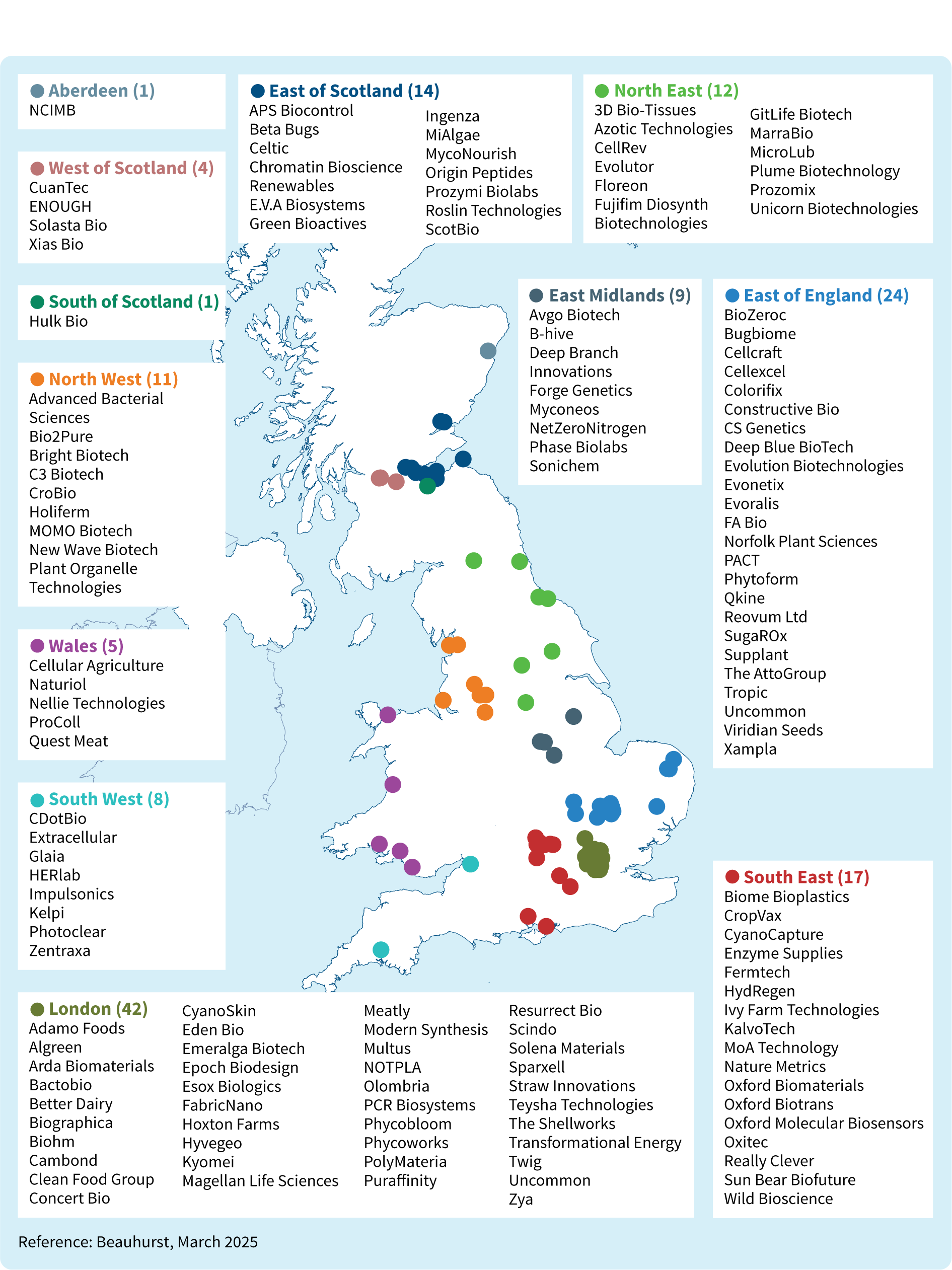
Map of UK Deep Biotech companies
The UK is home to a dynamic and growing Deep Biotech sector. This map illustrates the diverse array of companies operating within this exciting field across the UK.
Deep Biotech is disrupting industries across the economy
From agriculture and energy to fashion and manufacturing, Deep Biotech offers new ways to create the products we need34. It allows us to create new materials for defence, biofuels for transport, renewable chemicals, plastic-free packaging, and improved fibres for clothing. This is in large part due to the universal nature of the genetic code, meaning we can apply the same toolkit across humans, microbes, animals, and plant species. In the section below, we set out examples that demonstrate Deep Biotech’s impact on sustainability challenges from across the breadth of the economy.
This is Deep Biotech – disruptive innovation for global sustainability
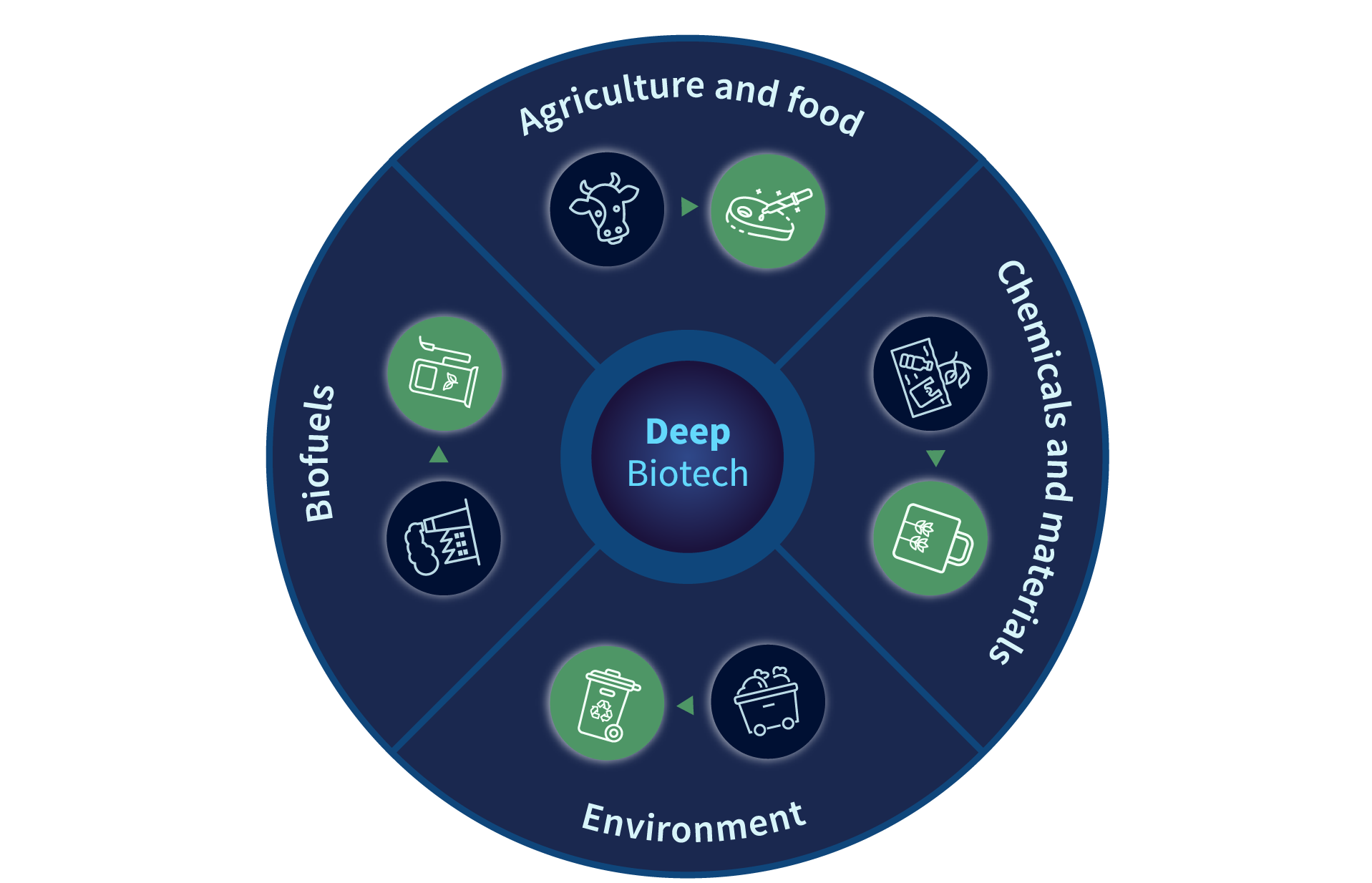
Deep Biotech is disrupting industries across the economy.
In agriculture and food, Deep Biotech firms are ushering in an era of food security by providing us with novel sustainable proteins or agri-chemicals with new modes of actions.
Novel chemicals and materials are delinking the production of commodities like fabrics and packaging from the extraction and processing of fossil fuels.
New processes, enabled by enzymes and microorganisms, are allowing us to recycle and clean up pollution in a way that works with nature instead of against it.
Biofuels are delinking carbon intensive industries like transport and shipping from fossil fuels.
Looking at the rapid progression of climate change, environmental degradation, and the growth of the global population, the need for more sustainable products, processes and solutions is evident. Deep Biotech has the potential to unleash the biorevolution and tackle some of humankind’s greatest challenges.
 How Deep Biotech companies drive the biorevolution
 Novel food: Reinventing agriculture
Innovation in Deep Biotech has the potential to transform the food system. UK companies are attempting to positively change the industry, reformulating pesticides to make them more sustainable35, using gene editing to develop new crops36, and harnessing precision fermentation to turn microbes into sustainable protein factories37.
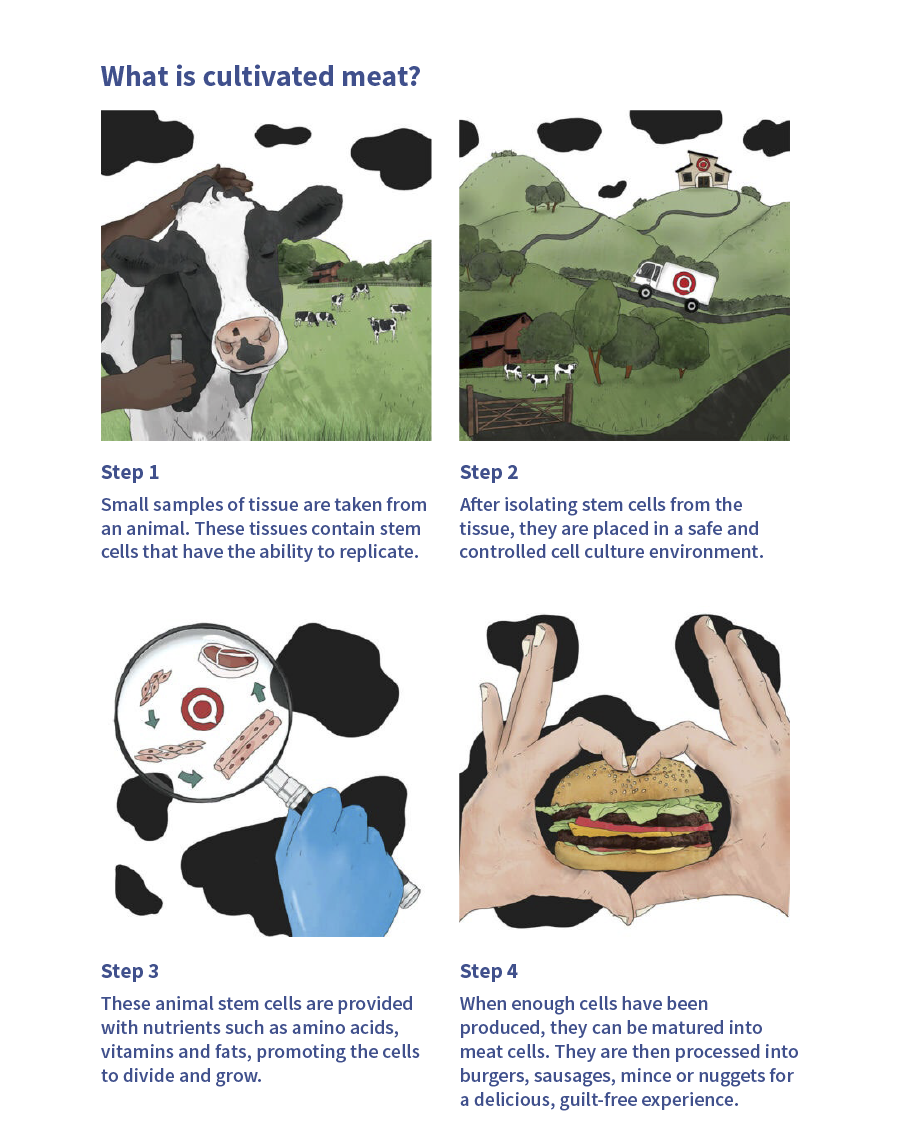
An area of particular prominence that has made its way into the public eye is the rise of cultivated meat and cellular agriculture. Private sector investment in UK-cultivated meat companies increased by 400% from 2021 to 2022 with £61 million raised, ‘totalling more than the rest of Europe combined’38. Based on scientific and technological advances in a process called ‘reprogramming’39, animal cells cultivated in large fermentors to create real meat remove the need for emission- and resource-heavy, industrial-scale farming, and are well on the way to becoming price competitive. In 2013, the first lab-developed beef burger cost $330,00040 to create, while six years later in 2019, the cost of production per burger fell to $9.8041. However, to be a strong market competitor, cultivated meat must reach a production cost of $2.92 per pound42.
In 2023, the UK had 138 sustainable protein companies, of which 23 develop cultivated meat and 15 use precision fermentation to produce sustainable proteins43. Start-ups such as Hoxton Farms, based in London, produce cell-cultivated animal fat, which, when combined with plant protein, forms alternatives to meat that can compete on taste. Other start-ups such as Extracellular, the first dedicated Contract Development and Manufacturing Organisation (CDMO) for cultivated meat, aim to drive the commercialisation of cellular agriculture at all stages in the UK, while Wales-based Cellular Agriculture supports the scaling of cultured meat, seafood and milk production through their scaled commercial bioprocess technology platform.
The process of cellular agriculture and the cultivation of meat in labs instead of fields has gained momentum in part due to its potential to reduce greenhouse gas emissions44. Livestock represents a total of 12% of all greenhouse gas emissions globally, with cattle being the largest contributor45. By contrast, cultivated meat production may cause up to 92% less global warming, 93% less air pollution and use up to 78% less water46. In addition, moving the production of meat away from land frees up valuable agricultural land by using up to 95% less land47, and helps fight deforestation and biodiversity loss48.
Case study

How does Hulk Bio address the challenges of scaling up production and ensuring adoption of its solutions within the nutrition industry?
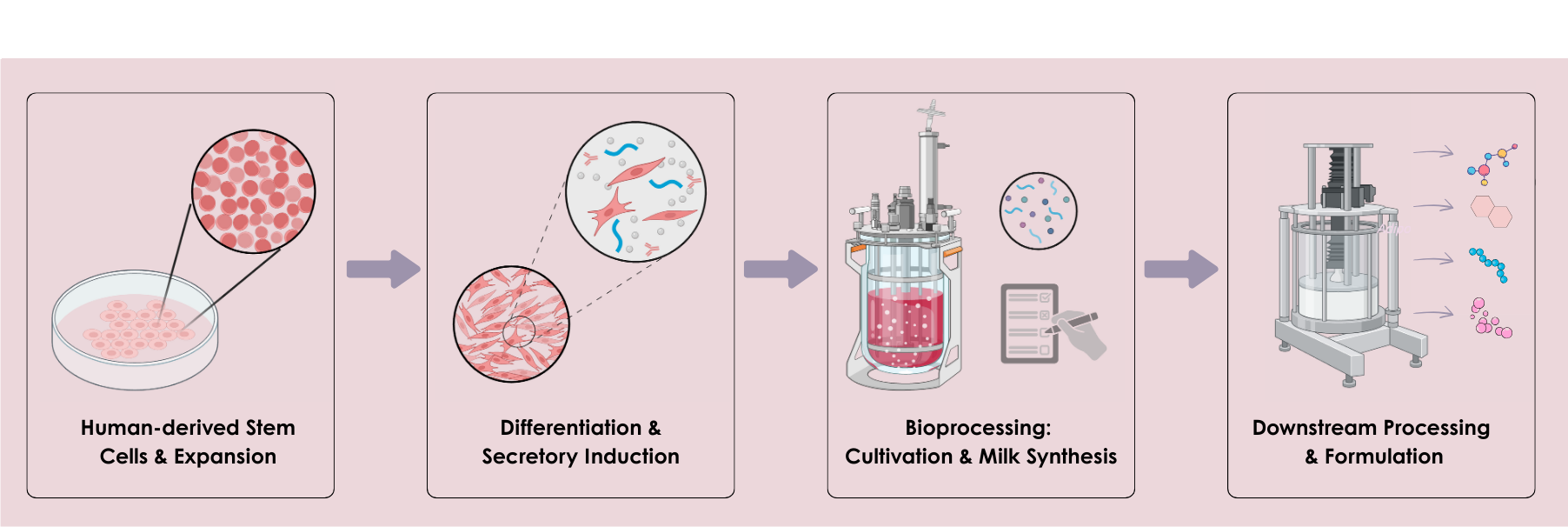
Hulk Bio is pioneering the production of human-authentic milk components, including a diverse array of Human Milk Oligosaccharides (HMOs) and key milk proteins, through advanced cellular technologies. Their B2B approach aims to supply these high-value bioactives and biomolecules to infant formula manufacturers and the broader nutritional and gut health sectors, enhancing the nutritional profile of existing products with components that more closely mimic human breast milk.
What are the key products or processes Hulk Bio is developing, and how do they improve current nutritional options?
Hulk Bio’s core process involves developing specialised milk-producing cells that synthesise human-authentic milk components. Their key products are these high-value bioactives and biomolecules, including a wide spectrum of HMOs and essential human milk proteins. These ingredients offer significant improvements over current options by more closely replicating the complex nutritional profile of breast milk, potentially leading to better infant gut health, immune development, and cognitive function, while also offering a more sustainable and biologically advanced production method.
What are the specific methodologies Hulk Bio uses, and how do they contribute to a more sustainable nutritional system?
Hulk Bio employs controlled in-vitro cultivation of milk-producing cells to enable the precise synthesis of complex molecules like diverse HMOs and human milk proteins. By moving beyond reliance on animal agriculture and large-scale plant-based sourcing, Hulk Bio’s approach offers a pathway towards a more sustainable, biologically relevant, and efficient nutritional system.
How does Hulk Bio address the challenges of scaling up production and ensuring adoption of its solutions within the nutrition industry?
Hulk Bio’s B2B strategy focuses on supplying high-value, low-volume ingredients, which presents a different scaling challenge compared to producing bulk biomass. They are focusing on optimising cell culture conditions and harvesting techniques to efficiently produce these potent bioactives. Adoption will be driven through partnerships with established infant formula and nutrition companies, leveraging their existing distribution channels and market access. Consumer acceptance will be addressed by highlighting the biological authenticity and potential health benefits, particularly to a generation increasingly open to food innovation.
What role can government policies and industry partnerships play in promoting the use of novel nutritional solutions in the UK?
Clearer and more streamlined regulatory pathways for cell-based foods and novel ingredients are crucial for promoting innovation in this sector. Increased transparency and communication from regulatory bodies are needed to guide companies like Hulk Bio. Collaboration with industry partners, including established formula manufacturers, is essential for integrating these novel ingredients into existing products and reaching consumers. Government support in fostering public understanding and acceptance of these technologies will also be vital.
How does Hulk Bio envision its technology impacting the future of infant and human food production and consumption?
Hulk Bio envisions a future where infant nutrition increasingly incorporates human-derived components, moving away from a complete reliance on animal dairy and less optimal plant-based substitutes. Their technology has the potential to unlock significant advancements in gut health and supplementary nutrition for all age groups by providing access to a wider range of human-authentic bioactives. Ultimately, Hulk Bio aims to create more biologically appropriate, sustainable, and healthier nutritional solutions for future generations.
Case study

What does the company do?
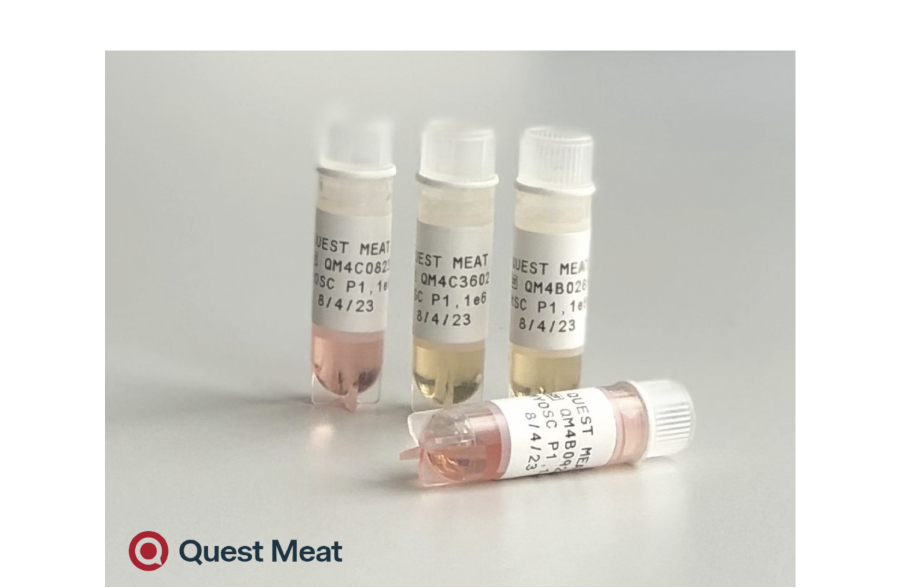
Quest Meat is a UK-based biotechnology company that develops ingredients for cell culture processes in the cultivated meat industry. They aim to replace fetal bovine serum (FBS) and microcarrier scaffolds, two key components of traditional cell culture methods, with more sustainable, food-safe and cost-effective alternatives.
Their primary focus is developing ingredients that can be used to scale up and reduce the cost of cultivated meat production. Their ingredients are circular economy-derived and are designed to be compatible with a variety of cell lines and culture conditions.
What is the impact?
Quest Meat’s products have the potential to significantly reduce the environmental impact of meat production. By replacing FBS and microcarriers with their ingredients, the company can help mitigate the greenhouse gas emissions, water usage, and land use associated with traditional livestock farming whilst removing the cost barrier.
Quest Meat takes a circular economy approach to its product development, seeking to minimise its environmental impact throughout the entire production process. They also focus on localised sourcing and distribution to reduce their carbon footprint.
Quest Meat’s ultimate goal is to make cultivated meat production more sustainable and accessible to a wider audience. They believe that their ingredients can play a crucial role in driving the growth of this innovative food sector.
What are the opportunities and challenges?
Quest Meat faces a number of opportunities in its pursuit of its goals. The cultivated meat industry is rapidly growing, providing a growing market for their products. And where cultivated meat companies are facing significant technical challenges in scaling up their production process, Quest Meat bioprocess experts provide relevant know-how. Challenges still relate to the regulatory uncertainty and technology readiness of the sector.
Case study

How does Resurrect Bio’s technology contribute to advancements in the agricultural sector?
Resurrect Bio is pioneering a novel approach to precision breeding that dramatically accelerates the identification of disease resistance traits. Their rapid trait discovery platform empowers both traditional breeders and genetically engineered crop developers to deliver more resilient, productive, and sustainable seeds to farmers faster. By giving crops the inherent ability to defend themselves against pests and pathogens, Resurrect Bio aims to reduce the reliance on environmentally polluting and petrochemical-dependent pesticides, leading to higher crop yields, improved global food security, and more efficient land use in the face of climate change and pathogen outbreaks.
What are the key products or processes Resurrect Bio is developing, and how do they improve current agricultural practices?
Resurrect Bio is developing next-generation tools to break harmful plant–pathogen interactions by “resurrecting” natural immunity in crops. Their work focuses on identifying subtle yet powerful gene edits, often single-nucleotide changes, that can be introduced through traditional breeding or gene editing tools like CRISPR. By restoring lost immune traits, Resurrect Bio reduces the need for agrochemicals, which can degrade soil health, pollute waterways, and are often unsustainable due to their petrochemical origins. This approach supports a shift towards more resilient and regenerative agricultural systems, benefiting farmers through reduced input costs and improved environmental outcomes.
What are the specific methodologies Resurrect Bio uses and how do they contribute to a more sustainable agricultural system?
Resurrect Bio has pioneered a 3-step rapid trait discovery platform for developing disease resistance traits. The first step involves computational and machine learning, including their AI tool FloraFold®. The second step is a high-throughput functional genetics screening platform to analyse the outputs of the first step, identifying how pathogens or pests suppress the crop’s immune system. The third step is protein engineering to design edits that effectively block this manipulation and can be introduced into the crop to “resurrect” resistance. This integrated platform accelerates the development of naturally resistant crops, reducing the need for chemical interventions and contributing to a more sustainable agricultural system.
How does Resurrect Bio address the challenges of scaling up production and ensuring adoption of its solutions within the agricultural industry?
Resurrect Bio has developed an integrated three-platform system – a computational platform (FloraFold®), an in-plant validation platform, and a resurrection platform – to ensure the rapid and effective scaling of new trait development. Their platform is compatible with all major crops, delivery methods, and regulatory pathways relevant to the agricultural industry. To ensure seamless integration, Resurrect Bio actively collaborates with seed companies, plant breeders, research institutions, and academic partners. Rather than scaling crop production themselves, they focus on developing high-value genetic traits that can be licensed to established partners who already possess the necessary infrastructure and grower relationships for large-scale delivery.
What role can government policies and industry partnerships play in promoting the use of innovative agricultural solutions in the UK?
Resurrect Bio welcomes the UK’s progress with the Genetic Technology (Precision Breeding) Act 2023 in England and hopes for similar progress in Scotland, Wales, and Northern Ireland to unlock the UK-wide potential of gene-edited crops. Continued and increased investment in grant funding, greenhouse, and field trial infrastructure is also vital. The UK’s plant science centres of excellence should be further promoted and supported internationally by both industry and government. Stronger collaboration across the agri-food value chain, leveraging the experience of regions already adopting precision-bred crops, can help build trust and accelerate adoption in the UK and Europe. Clearer communication of the benefits of gene editing over agrochemicals is also crucial for fostering acceptance. While pursuing global opportunities, Resurrect Bio looks forward to the future adoption of GE crops in the UK.
How does Resurrect Bio envision its technology impacting the future of agriculture and food production?
Resurrect Bio believes the future of agriculture hinges on agility in responding to emerging challenges. Their rapid trait discovery platform provides a powerful tool for quickly identifying disease resistance traits, enabling seed companies and farmers to stay ahead of evolving threats. 1. By accelerating the development cycle for improved seeds, Resurrect Bio helps farmers protect yields, improve profitability, and reduce losses while optimising land use. 2. Their vision is to create inherently smarter and more responsive crops, equipping the agricultural sector with the tools needed to thrive and strengthening global food supply chains in the face of increasing pressure on resources.
Case study

What does the company do?
Moa Technology is developing next-generation herbicides to tackle a growing crisis in agriculture: herbicide-resistant weeds. The company was spun out of the University of Oxford in 2017 and uses the same kind of advanced approaches employed in health and medicine-focused biotech to identify, understand and develop new herbicides, with game-changing speed and accuracy. Specifically, it is developing herbicides with novel modes of action (MOAs).

What is the impact?
Without effective herbicides, farmers can lose up to 40% of their crop yield as a result of weed growth. This means that herbicide-resistant weeds are a major threat to global agriculture and food security.
The issue is particularly pressing because of climate change and population growth. If weeds are allowed to reduce agricultural productivity, farmers will need to use more land, fertiliser, diesel, water and other inputs to produce the same amount of food, substantially increasing carbon emissions. Increased land use for farming would also reduce natural carbon sequestration, as well as impacting biodiversity and general resilience. Furthermore, farmers will need effective herbicides to grow new crops and contend with new weed mixes as crop growing areas shift as a result of climate change.
Why is biotechnology/engineering biology the solution?
Herbicide resistance is a particularly urgent international problem given a 35-year innovation drought in the established herbicide industry, which has not delivered effective new products that can counter the problem.
Working with both synthetic molecules and natural products found in organisms and ecosystems around the world, and using a discovery engine similar to those used in drug discovery, Moa’s interdisciplinary team of scientists carry out plant-led high-throughput screening to identify new modes of action. This allows them to find whole new families of herbicides that are safer and better for the environment, and more effectively choose the best candidates for investment and development into products for farmers’ fields.
How do we drive forward the biorevolution in the UK?
The UK should make the most of its remarkable expertise in biotechnology, and in science and technology more broadly. This is in the national economic interest, and vital given international challenges and the need for innovation to address them.
Among other key priorities, the Government and other stakeholders must support and encourage the incredible talent pools in the UK, and the ecosystems around its universities. Moa illustrates these points well. Its technology was developed within the University of Oxford’s Department of Plant Sciences by a professor and his French PhD student, and today it employs an international team of more than 60 drawn from disciplines including chemistry, biotechnology, agriculture and artificial intelligence/machine learning.
What are the opportunities and challenges?
The potential for next-generation herbicides is huge, both in overcoming the immediate challenge of herbicide resistant weeds, and in providing superior performance across a range of other criteria. Moa has a prolific pipeline of both traditional and bioherbicide leads that work in new ways. Additional industry partnerships, robust yet responsive regulation, and international collaboration between governments and regulators all have a vital role to play, too.
Although Moa has strong financial backing, the challenge for governments and other stakeholders is to ensure more broadly that the UK’s cutting-edge biotechnology and research continues to be developed to support scale-up businesses that address key challenges facing the world.
References
35 See https://www.moa-technology.com/
36 See https://tropic.bio/
37 See https://betterdairy.com/
38 See https://gfieurope.org/wp-content/uploads/2023/08/UK-ecosystem-report_Full_25aug23_final.pdf
39 See https://www.sciencedirect.com/topics/neuroscience/reprogramming
40 See https://www.forbes.com/sites/lanabandoim/2022/03/08/making-meat-affordable-progress-since-the-330000-lab-grown-burger/
41 See https://www.maastrichtuniversity.nl/news/what%E2%80%99s-been-going-%E2%80%98hamburger-professor%E2%80%99
42 See https://www.reuters.com/markets/commodities/cell-cultivated-meat-hits-menus-investors-see-scaling-next-hurdle-2023-07-20/
43 See https://gfieurope.org/wp-content/uploads/2023/08/UK-ecosystem-report_Full_25aug23_final.pdf
44 See https://www.nationalgrid.com/stories/energy-explained/what-are-greenhouse-gases
45 See https://foodandagricultureorganization.shinyapps.io/GLEAMV3_Public/
46 See https://gfi.org/press/new-studies-further-the-case-for-cultivated-meat-over-conventional-meat-in-the-race-to-net-zero-emissions/
47 See https://gfi.org/press/new-studies-further-the-case-for-cultivated-meat-over-conventional-meat-in-the-race-to-net-zero-emissions/
48 See https://www.climathttps://www.climatepolicyinitiative.org/publication/the-economics-of-cattle-ranching-in-the-amazon-land-grabbing-or-pushing-the-agricultural-frontier/epolicyinitiative.org/publication/the-economics-of-cattle-ranching-in-the-amazon-land-grabbing-or-pushing-the-agricultural-frontier/. “Estimates show that about 70% of deforested land in the Amazon is used for cattle ranching.”
 Biobased chemicals and materials: building blocks for the bioeconomy
63% of global chemical production consists of carbon-based chemicals, with over 90% of the embedded carbon in these chemicals derived from fossil fuels49 Deep Biotech offers industries reliant on petrochemical feedstocks, such as cosmetics and textiles, a chance to reduce their global environmental footprint.
Case study

How does Twig’s technology contribute to advancements in sustainable product design and manufacturing?
Twig is a sustainable ingredients company that replaces ingredients typically derived from fossil fuels or intensive farming with biologically produced alternatives. Their proprietary technology, split into “bio:drive” (AI-powered microbe design) and “grow:bot” (rapid wet lab testing), significantly accelerates the development of novel, sustainable ingredients. By designing microbes “addicted” to producing the target ingredient, Twig ensures scalable production in large volumes, addressing a key challenge in industrial biotech.
What are the key products or processes Twig is developing, and how do they improve current ingredient sourcing?
Twig’s core process revolves around their two-part technology. “BioDrive,” their software platform, revolutionizes the design process, enabling scientists to generate novel microbe designs more efficiently. “GrowBot,” their wet lab, rapidly builds and tests these designs, accelerating the path to scalable production. This allows Twig to create drop-in replacements for existing ingredients, initially focusing on the cosmetics industry, with the potential to expand into food, pharmaceuticals, and other sectors. These replacements offer a more stable and sustainable supply chain compared to volatile petrochemical-derived ingredients or those reliant on intensive farming.
What are the specific feedstocks and processes Twig uses, and how do they contribute to the sustainable bioeconomy?
Twig prioritises the use of waste feedstocks, partnering with companies to repurpose their waste streams. Their initial focus is on utilising waste sugar from food processing, transforming a discarded resource into a valuable input for their bio-manufacturing process. This approach reduces reliance on fossil fuels and intensive farming, contributing to a circular economy and minimising environmental impact.
How does Twig address the challenges of scaling up production and ensuring market adoption?
Twig designs their microbes from the outset for large-scale production, ensuring they can meet industrial demand. Their “addiction” strategy compels the microbes to efficiently produce the target ingredient even at high volumes. To ensure market adoption, Twig focuses on cost-competitiveness, offering their sustainable ingredients at prices comparable to existing alternatives, removing any “green premium” barrier. They also target ingredients where they can provide a clear advantage in terms of supply chain stability and performance.
What role can government policies and industry partnerships play in promoting the use of sustainable products in the UK?
Close partnerships with manufacturers are crucial for Twig’s business model, ensuring they can efficiently supply ingredients to customers worldwide. Collaboration with waste feedstock providers creates mutually beneficial relationships, turning waste into valuable resources. Government support is vital for fostering the growth of the engineering biology sector. Twig is encouraged by the government’s recognition of engineering biology as a critical technology and by growing awareness of the need to streamline complex regulations. To date, regulatory complexity has made bringing new biobased products to market a challenge, but a more transparent and innovation-friendly process could unlock a wave of new technologies and products—while still maintaining high safety standards.
How does Twig envision its technology impacting the future of product design and manufacturing?
Twig sees a future where consumers are empowered to make sustainable choices without sacrificing performance or cost. Engineering biology, driven by advancements in computational power and automation, will enable the rapid development of novel, high-performing, and sustainable ingredients across various sectors. This shift will contribute to a more resilient and secure supply chain, less reliant on volatile global markets and fossil fuels, driving progress towards a net-zero economy.
For example, the fashion industry, is estimated to be causing 10% of global carbon emissions50. While natural, plant-derived and bio-degradable fibres such as cotton are being used, polyester (largely derived from petroleum) dominates 57% of the global market due to the competitively low price of fossil fuels51. Novel biomaterials have the potential to reduce our reliance on animal- and petrochemical-derived materials in the future. Building on the rapidly evolving technology of biofabrication52, London-based Modern Synthesis developed a microbial weaving process that uses bacteria, found in kombucha tea, trailing tiny fibres of nanocellulose to weave a novel biomaterial. The process allows clothing items to be precisely shaped, designing out waste53. Norwich-based Colorifix aim to reduce the textile industry’s environmental impact with a dyeing process that uses the DNA codes of colours found in nature and has microbes recreate them, removing the need to rely on harsh chemicals. Their revolutionary biology-based approach has earned them a place amongst the finalists of the 2023 Earthshot Prize54.
Case study

What does the company do?
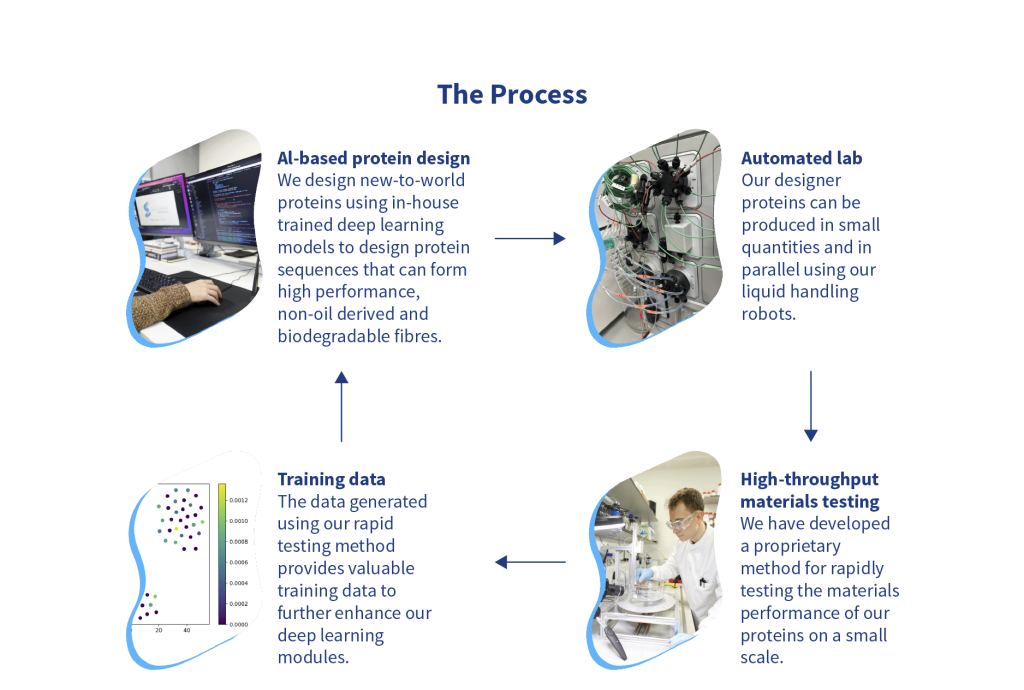
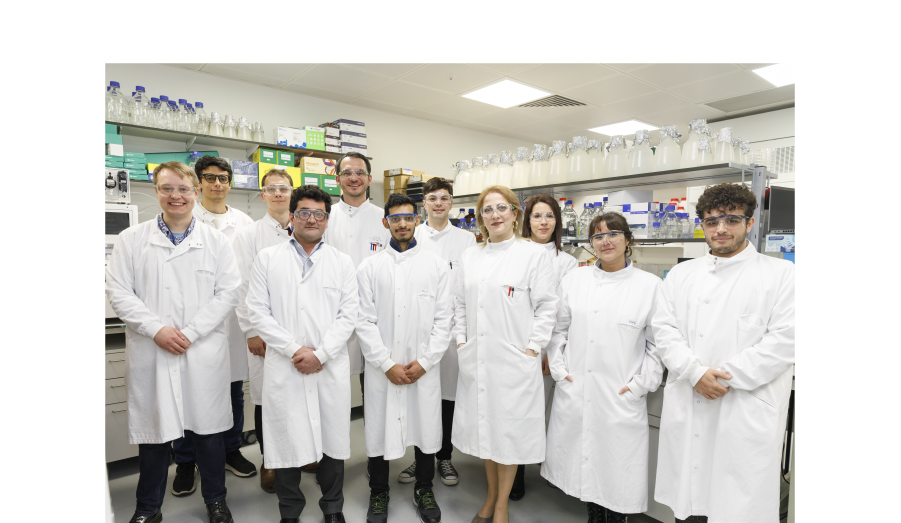
Solena Materials is a spin-out from Imperial College London that is developing new types of computationally designed synthetic protein material that is biodegradable and made from non-petroleum feedstocks. The company’s goal is to replace synthetic materials made from petroleum with more sustainable and environmentally friendly alternatives.
They have developed a method for designing and synthesising synthetic proteins with specific properties. The company’s proteins can be spun into tough continuous fibres with a unique combination of performance and properties that are not available in existing natural or synthetic materials. These fibres are suitable for use in a variety of applications, including textiles, composite materials, and medical devices.
What does the company do?
Solena Materials’ synthetic proteins have a number of environmental benefits over traditional synthetic materials. The proteins are biodegradable, so they will break down naturally in the environment. Additionally, the proteins are made from non-petroleum feedstocks, which reduces the company’s reliance on fossil fuels.
Why is biotechnology/engineering biology the solution?
Solena Materials uses engineering biology to design and synthesise its proteins. This approach offers several advantages over traditional methods of making synthetic materials. First, it is more precise and efficient, allowing for the creation of protein fibres with specific properties. Second, it is faster and more scalable, enabling the production of large quantities of proteins. Third, it is more environmentally friendly, as it does not require the use of harmful chemicals or solvents.
How do we drive forward the biorevolution in the UK?
The UK has a strong and growing bioeconomy, with several companies developing innovative biotechnology solutions. Solena Materials is one of these companies, and the company is well-positioned to take advantage of the UK’s supportive ecosystem for biotechnology.
What are the opportunities and challenges?
Solena Materials faces a number of challenges, including the need to scale up its production processes and to develop new applications for its proteins. However, the company also has many opportunities, including the growing demand for sustainable and environmentally friendly materials.
Investors in Solena Materials are attracted to the company’s innovative technology and its potential to address a significant environmental challenge. The company has raised a significant amount of capital from venture capitalists and other investors.
Solena Materials is focused on developing new applications for its proteins, such as in textiles, composites, and medical devices. The company is also working on improving its production processes to make its products more affordable.
References
49 See https://green-alliance.org.uk/wp-content/uploads/2024/04/The-last-use-of-fossil-fuels.pdf
50 See https://www.frontiersin.org/journals/environmental-science/articles/10.3389/fenvs.2022.973102/full#B6
51 See https://textileexchange.org/app/uploads/2024/09/Materials-Market-Report-2024.pdf
52 See https://www.sciencedirect.com/topics/engineering/biofabrication#:~:text=Biofabrication%20is%20usually%20defined%20as,development%20of%203D%20fabrication%20technologies
53 See https://www.modernsynthesis.com/
54 See https://earthshotprize.org/winners-finalists/colorifix/
 Tackling environmental pollution
Synthetic, petrochemical- derived fibres cause further damage to the environment through microfibre shedding. Globally, between 16% and 35% of microplastics released into our environment are from the laundering of synthetic textiles55 which can end up in the food chain and, ultimately, the human body56. Once released, they are difficult to remove from the environment. There is a huge variety of pollutants being released from textiles and other commodities such a cleaning products, cooking equipment and cosmetics. PFAS (per-and poly fluoroalkyl substances), sometimes known as ‘forever chemicals’, is a family of over 4,700 substances that are highly persistent in the environment and can cause health problems57 58.
Deep Biotech companies are using an engineering biology approach to tackle this spectrum of pollutants. They are engineering enzymes to breakdown synthetic fibers and plastics into their constituent monomers, which can be recycled and reformulated into new products. London-based Scindo are harnessing the power of enzymes to recycle plastic waste into a cheap and plentiful feedstock, enabling a shift towards the bioeconomy.
Case study

What specific pollutants does Puraffinity’s technology target, and what are the advantages over existing water treatment methods?
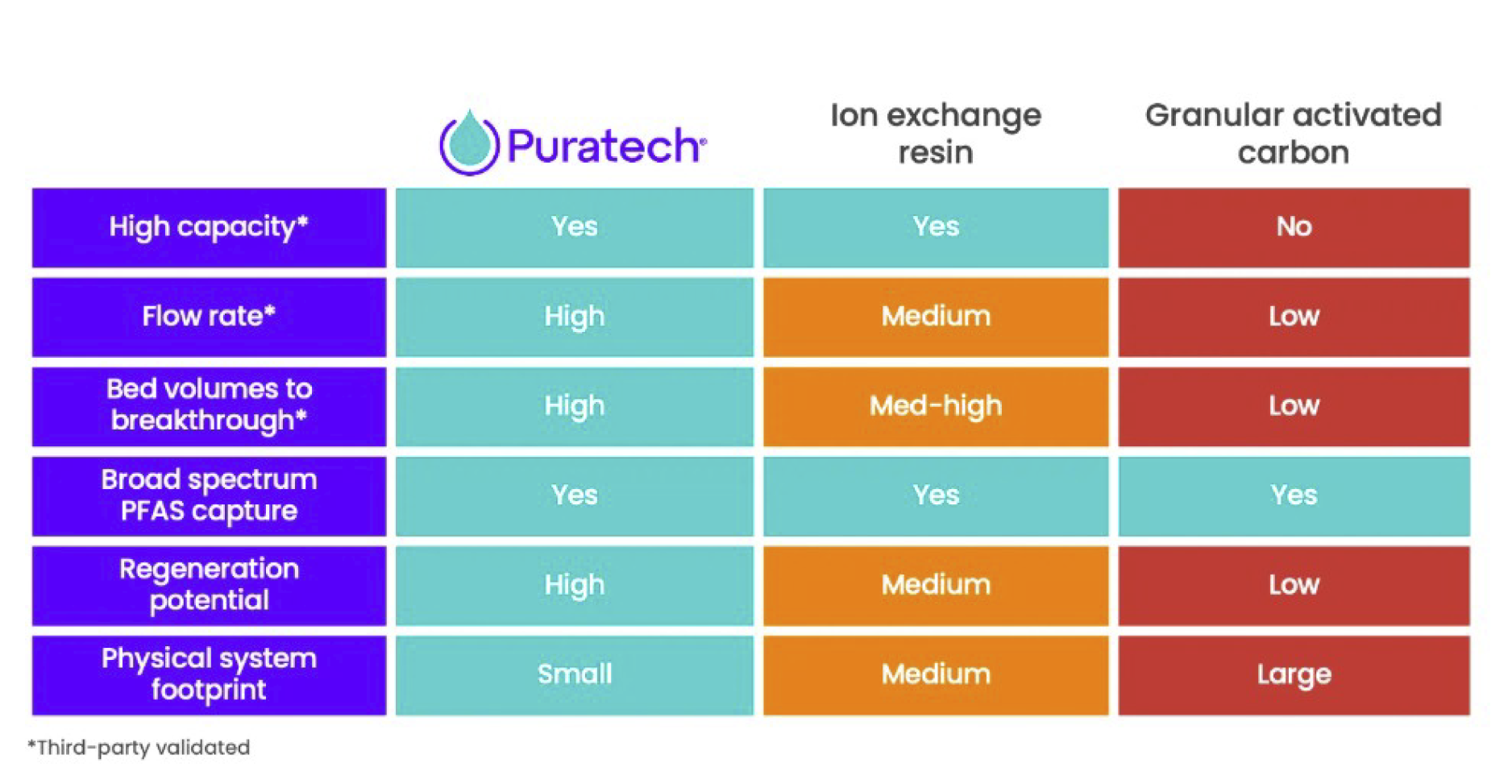
Puraffinity’s primary focus is on removing PFAS (per- and poly-fluoroalkyl substances) from contaminated water. PFAS, known as ‘forever chemicals,’ persist in the environment and pose significant risks to human and environmental health. Puraffinity’s novel adsorbent material, Puratech G400, offers several advantages over existing water treatment methods:
- Faster kinetics: Puratech G400 removes PFAS in 30-45 seconds, compared to 3 minutes for ion exchange resin (IEX) and 10 minutes for granular activated carbon (GAC).
- Higher capacity: It provides up to 7x higher capacity for PFAS adsorption than traditional materials.
- Cost-effectiveness: Puratech G400 offers a reduced total cost of ownership compared to conventional methods.
- Space efficiency: Shorter contact time requirements allow for smaller equipment.
- Selective capture: Puratech G400 is designed to selectively capture PFAS, making it more efficient.
- Versatility: The technology can be used for PFAS treatment in various applications and water matrices.
How does Puraffinity’s material science approach contribute to the development of more efficient and sustainable water purification solutions?
Puratech G400 is a modified raw material embedding tailored molecular groups that selectively remove PFAS compounds, even at very low concentrations. This precision ensures reliable PFAS removal across diverse water matrices. This approach aligns with sustainable practices by eliminating energy-intensive processes. The use of Puratech G400 can reduce CO₂ emissions by 95% compared to industry standards for equivalent PFAS treatment due to the lower material volume needed. Additionally, their platform technology allows rapid modification to target emerging PFAS variants, ensuring compliance with evolving global regulations.
What is the potential impact of Puraffinity’s technology on addressing water scarcity and improving environmental health in the UK and globally?
Puratech G400 can remove PFAS from contaminated water sources more efficiently, reducing the need for frequent material replacement, cutting operational costs, and reducing waste. By decontaminating industrial wastewater and groundwater, it unlocks previously unusable water sources, combating water scarcity by enabling potential water reuse. The customisable nature of Puratech G400 allows adaptation to evolving regulations in different regions, and its modular design enables easy integration into existing water infrastructures worldwide, offering a scalable pathway to safer water and healthier ecosystems globally.
How does Puraffinity address the challenges of deploying its technology in diverse water treatment settings?
Puraffinity addresses deployment challenges through:
- Customisable adsorbents: Puratech G400 can be tailored to capture specific long and short-chain PFAS compounds to meet different regulatory standards.
- Strategic partnerships: They operate as a material manufacturer and supplier, working with system integrators for faster scaling and wider reach.
- Versatile applications: The material is designed for use in various settings, including environmental remediation, point-of-use systems, industrial facilities, and commercial settings.
- Development of regenerable media: This aims to allow for multiple cycles of use, increasing treated water volume and reducing material needs.
- Compact domestic solutions: Their technology allows for smaller and more convenient domestic water treatment systems.
- Adaptable technology: The targeted adsorbents can be modified to respond to evolving PFAS regulations.
What policy changes or investments are needed to accelerate the adoption of advanced water purification technologies in the UK?
Puratech G400 is designed to align with existing regulations while offering the flexibility to adapt to more stringent requirements. Its highly efficient PFAS removal makes it suitable for current applications. Its adaptability ensures seamless integration into existing water treatment systems and infrastructure without significant modifications. This future-ready design makes Puratech G400 a reliable solution for addressing PFAS contamination challenges.
How is Puraffinity working to expand the uses of its technology?
Puraffinity continues to invest in research and development to align with future PFAS market demands and regulatory needs, proactively anticipating frameworks beyond 2025. They are exploring new commercial applications for Puratech G400 and developing new products to address evolving PFAS challenges. Recent funding and awards are being leveraged to collaborate with tier-1 companies and scale up their solutions globally.
Other innovative companies such as Shellworks challenge fossil fuel-based materials, such as plastic packaging used in the cosmetics industry of which 62% is non-recyclable.59 The company develops a novel material made by microorganisms found in marine and soil environments to make durable, fully compostable tubs or jars.60 The material’s regenerative nature means that once it is composted, the same microbes in the soil used to make the jar will consume it as a source of food, meaning the material biodegrades without generating microplastics.
Case study

What does the company do?
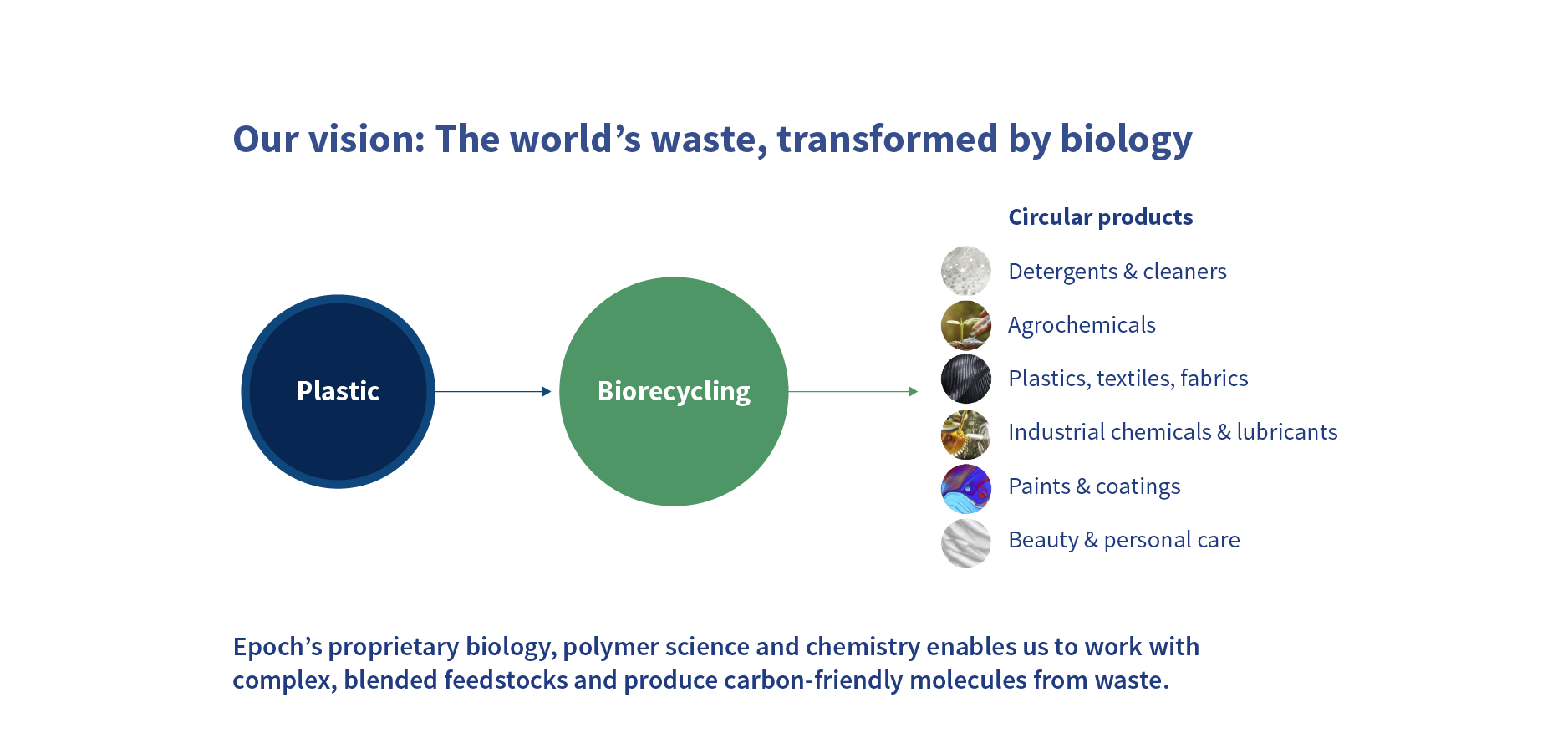
Epoch Biodesign is emerging as a pioneer in the field of engineered biology, aiming to transform the way they manage and utilise plastic waste. Through innovative enzyme engineering, the company is developing a game-changing solution that tackles the root causes of plastic pollution by building an economical, scalable recycling route for complex waste that currently has no end-of-life solution, other than landfill or incineration, paving the way for a more sustainable future.
Epoch Biodesign’s core biorecycling technology revolves around the creation of tailor-made enzymes, meticulously engineered using AI and a unique knowledge of biochemistry to transform different types of plastic waste. These nanoscale biomachines possess remarkable specificity and efficiency and are capable of depolymerising a wide range of polymers into recycled plastics and circular chemicals with applications across a range of industries.
What is the impact?
Epoch Biodesign’s approach offers a truly circular solution. Unlike conventional methods of plastic processing or advanced recycling technologies, enzymatic recycling can be run at low temperatures and pressures, and without the use of toxic catalysts, significantly reducing processing energy and environmental impact. By unlocking the value of plastic waste, the company aims to divert it from disposal and convert it into valuable feedstock for the production of new plastics, textiles, and other hydrocarbon-derived circular chemicals and products.
How do we drive forward the biorevolution in the UK?
Biology is a strength of the UK. Epoch Biodesign is an example of an engineering biology firm scaling up, using UK talent and UK knowledge. Epoch Biodesign are driving investment and development within the engineering biology space in the UK. They are currently a growing team of 25, and their next big development is plans to build a pilot facility. They are also looking overseas for opportunities to sell their products and develop capacity.
What are the opportunities and challenges?
While the company faces the usual technical and R&D challenges associated with scaling up new technologies, Epoch Biodesign is particularly focused on securing sustained funding. The upfront costs required for enzyme engineering research and manufacturing facility construction pose a unique barrier to scale-up.
Despite these challenges, Epoch Biodesign remains optimistic about the future. The company is actively progressing partnerships with investors, industry players, and regulatory bodies to accelerate the commercialisation of its technology. With the growing global momentum for sustainable solutions, Epoch Biodesign is well-positioned to make a substantial impact on the fight against plastic pollution and contribute to the transition towards a circular economy.
References
55 See https://www.eea.europa.eu/publications/microplastics-from-textiles-towards-a#:~:text=According%20to%20Boucher%20and%20Friot,%25%20(UNEP%2C%202018)
56 See https://pmc.ncbi.nlm.nih.gov/articles/PMC11342020/
57 See https://www.dwi.gov.uk/pfas-and-forever-chemicals/
58 See https://www.eea.europa.eu/publications/emerging-chemical-risks-in-europe/emerging-chemical-risks-in-europe
 Engineering the next generation of biofuels
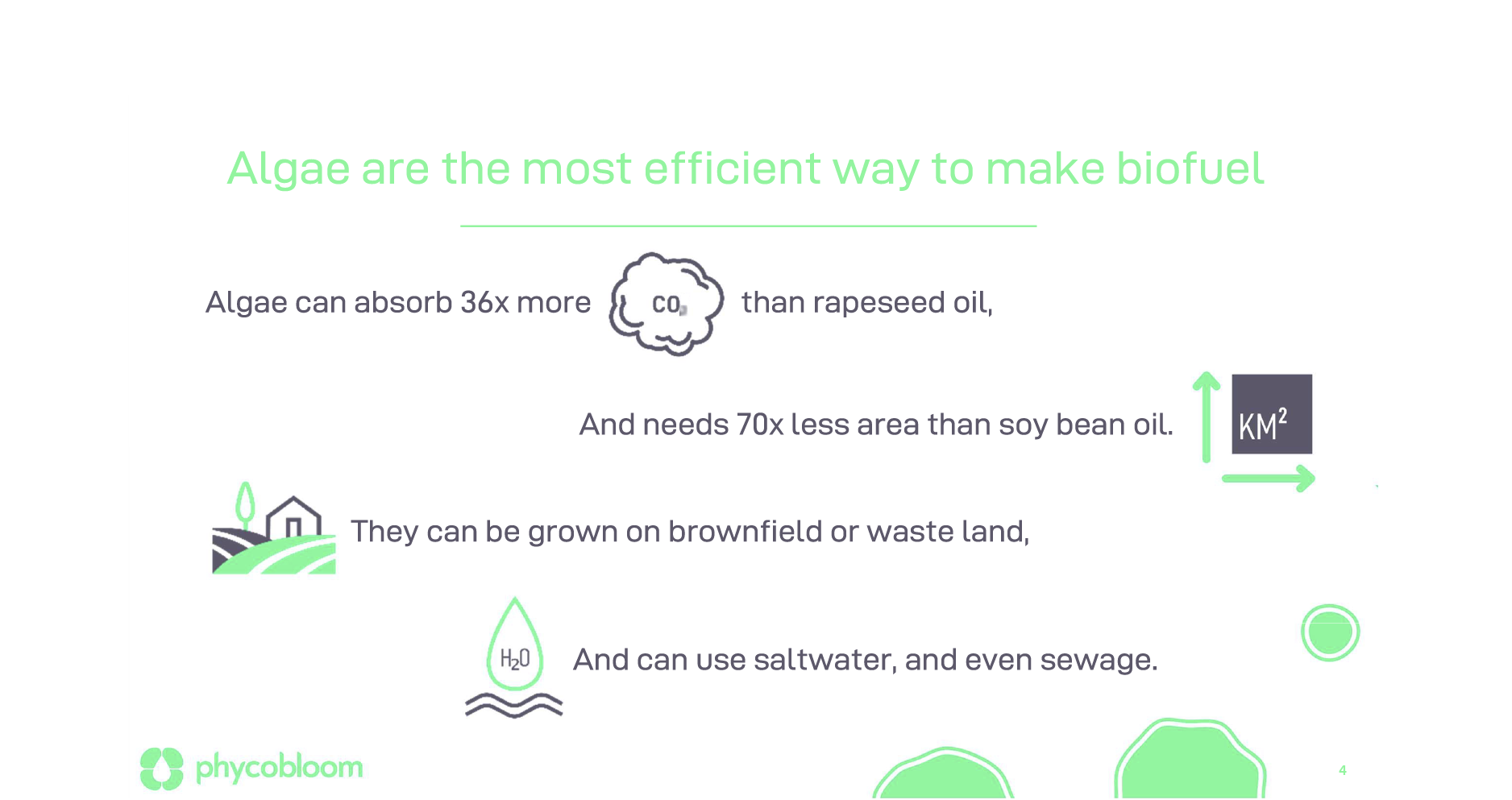
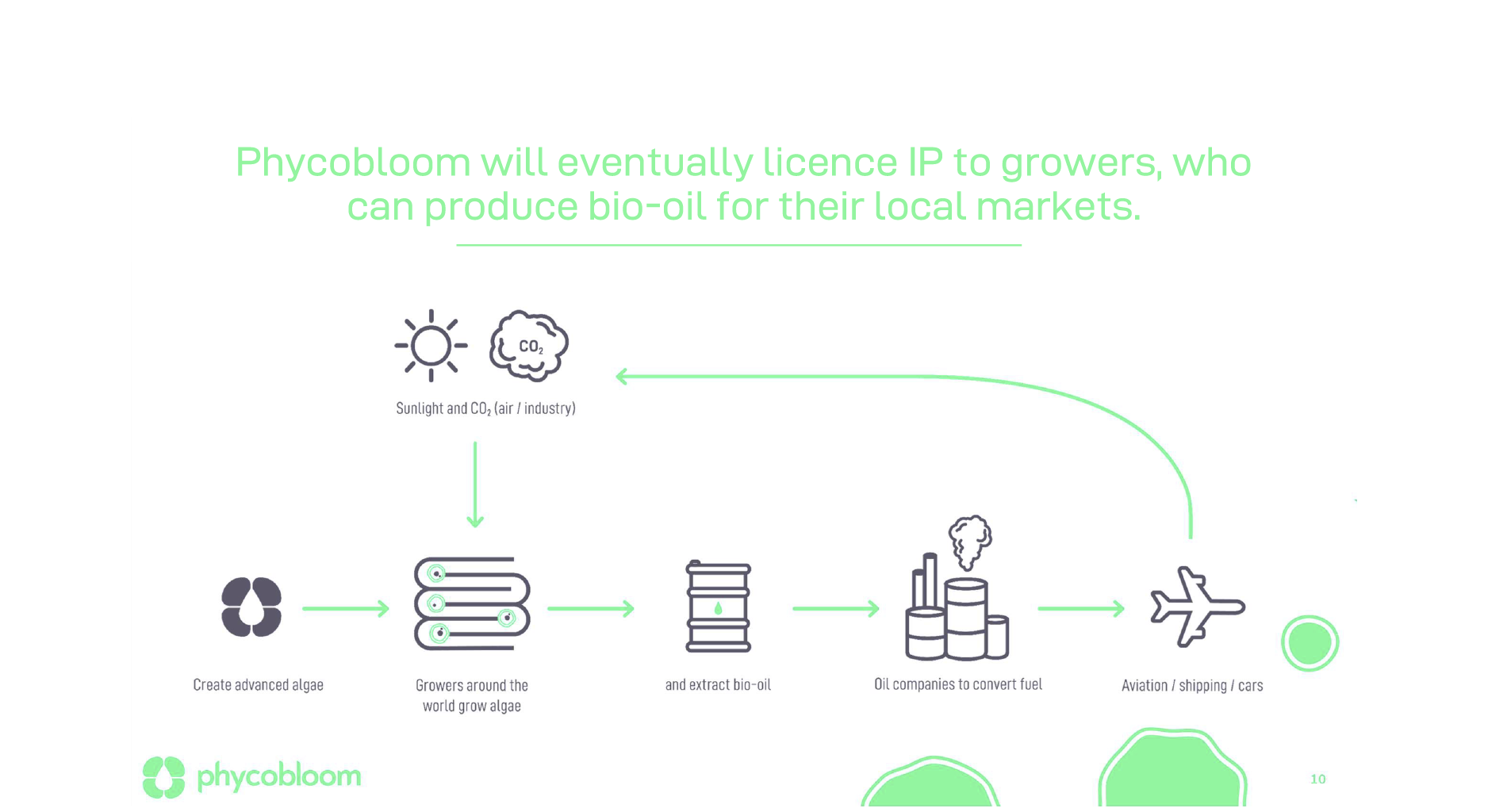
Using natural materials and their components to put them to use for another purpose is at the heart of much of traditional industrial biotechnology. Biomass, such as crops or biowastes like residues from whiskey production, can be used to produce liquid and gaseous biofuels, replacing our dependence on fossil fuels. At 28% of the UK’s total emissions, the transport sector emits the largest amount of greenhouse gases of any sector in the UK59. Biofuels play a significant part in helping us reach net zero by decarbonising our transport sector60. Algae are well known as natural ‘decarbonisers’ through their ability to absorb carbon emissions from the biosphere. Applying the modern ‘engineering biology’ toolkit allows us to increase algae’s absorbing capabilities, turning them into highly efficient producers of algae oils – a sustainable source of fuel more powerful than solar, wind, and lithium61.
Case study

What does the company do?
Phycobloom is a Deep Biotech company that is developing microalgae to produce oil. The oil can be used as a biofuel or as a feedstock for other products. Phycobloom is based in the UK and is currently in the R&D phase.
Phycobloom’s long-term vision is to develop microalgae that can produce oil and then secrete that oil into the environment. This would allow for much easier harvesting of the oil than traditional methods.
What is the impact?
Phycobloom’s technology has the potential to significantly reduce greenhouse gas emissions. This is because algae oil can be used as a replacement for fossil fuels.
Why is biotechnology/engineering biology the solution?
Phycobloom is using biotech because it is the most efficient way to produce complex molecules such as oil. Physics and chemistry are better suited for making smaller molecules, such as liquid petroleum gas or hydrogen.
How do we drive forward the biorevolution in the UK?
Phycobloom is committed to driving forward the biorevolution in the UK. The company is based in the UK and is working to create a sustainable biofuel industry.
What are the opportunities and challenges?
Phycobloom’s main opportunities are the growing demand for biofuels and the UK’s strong talent pool in science and engineering. However, the company also faces challenges such as the cost of R&D and regulatory uncertainty.
The future of biofuels is bright, and Phycobloom is well-positioned to take advantage of this trend. The next phase of development requires additional investment to fully unlock the potential of its technology and address a wider market.
References
59 See https://www.gov.uk/government/statistics/transport-and-environment-statistics-2024/greenhouse-gas-emissions-from-transport-in-2022
60 See https://assets.publishing.service.gov.uk/government/uploads/system/uploads/attachment_data/file/ 1177473/biomass-strategy-2023.pdf
61 See https://www.phycobloom.com/
 Supportive technology
In order to tackle these varied challenges, Deep Biotech companies require support from underpinning engineering biology companies that deliver the tools they need to manipulate biology. These underpinning technology companies provide essential services such as DNA sequencing and synthesis, protein design and production, and cell culture. For example, Edinburgh-based Ingenza offer a proprietary enabling toolkit to support protein production, cell-line engineering and fermentation and bioprocess development for various applications across multiple industries.
Case study

How does Constructive Bio’s approach to genome engineering expand the possibilities for developing novel biological solutions?
Constructive Bio rewrites entire genomes to build the biomolecules of the future.
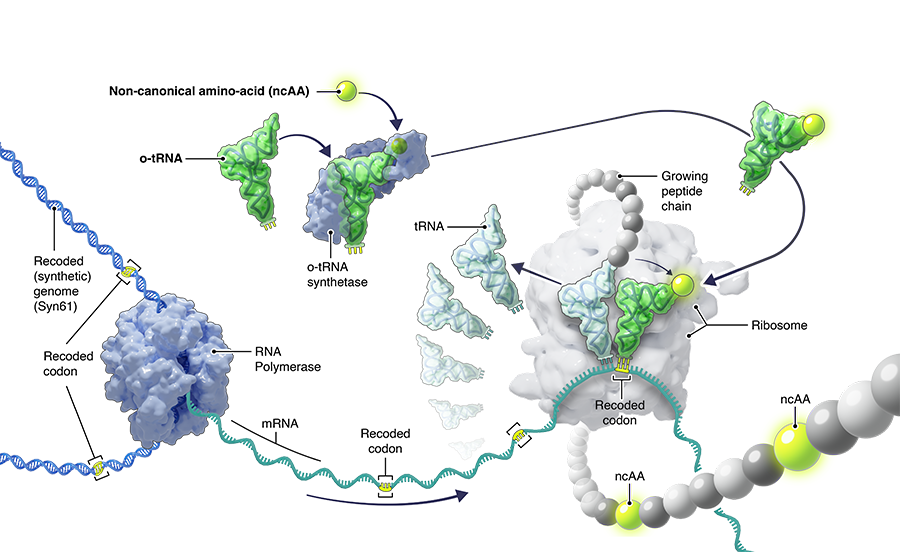
In nature, the genetic code uses 64 codons (triplet sequences of the four letters of DNA – A, T, C, G) to specify positions of the 20 canonical amino acids within a protein. This means that some amino acids are coded for by multiple synonymous codons. Constructive Bio uses genetic code expansion to compress the number of synonymous codons and reprogram “freed up” codons to incorporate new-to-nature building blocks – amino acids or related monomers such as hydroxy acids. There are thousands of non-canonical amino acids the company can use to equip proteins with valuable properties, including bioconjugation handles (click chemistries), molecular reporters, encoded post-translational modifications, structural stabilisers and other novel activities.
Incorporation of these diverse chemistries into peptides and proteins has fantastic potential to transform novel biological solutions – with new features, and a scalable biomanufacturing method. Two great examples are the blockbuster weight-loss drugs semaglutide (Ozempic/Wegovy) and tirzepatide (Mounjaro): these molecules are based on natural hormones but rely on the incorporation of non-canonical monomers for their pharmaceutical properties of stability (resistance to certain proteases) and circulation in the body.

What are the key applications of Constructive Bio’s technologies in different Deep Biotech sectors?
Applications range from new therapeutics and agritech solutions to fully programmable biomaterials. In each case, Constructive Bio’s value is two-fold: 1) in enabling the creation of products that were previously impossible, and 2) in creating a precise, flexible and scalable biomanufacturing route. Rather than relying on heritage chemical synthesis approaches, Constructive Bio engineers cells to directly synthesise the target molecule with techniques that are readily scaled and built on decades of innovation.
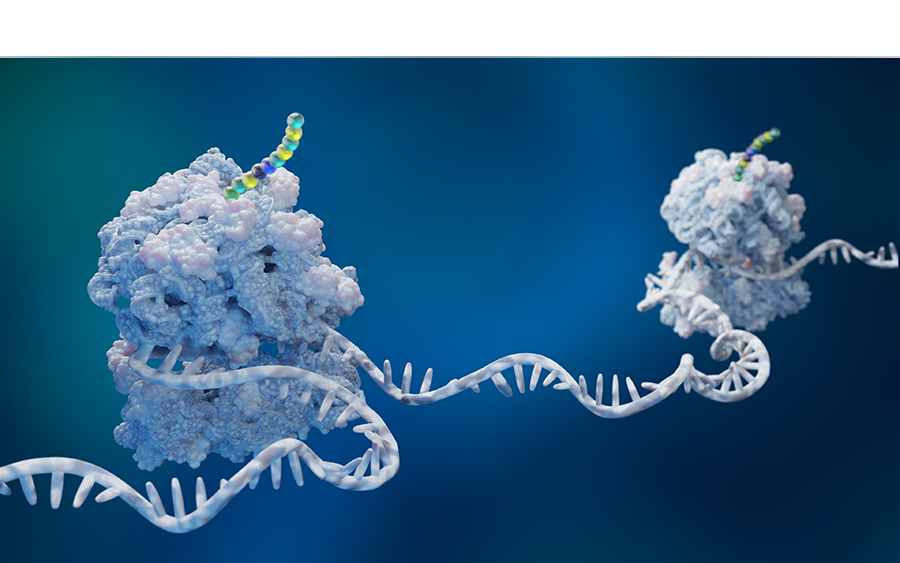
Constructive Bio’s platform is not just limited to alpha amino acid building blocks – in the future, the company aims to use the ribosome as the ultimate paradigm for programmable biomolecule synthesis. This could see them extend their impact from peptides and proteins to related biomolecules, advanced biomaterials and programmable bioplastics.
How does Constructive Bio address the ethical and safety considerations associated with advanced synthetic biology?
Constructive Bio takes responsibility for biological ethics and safety very seriously. Synthetic biology has transformative potential to benefit people, society and the environment; but this must be done with awareness, respect and integrity. They actively participate in the conversation regarding regulation and monitoring, including via participation in the International Gene Synthesis Consortium. Internally, Constructive Bio has a Biosecurity Review Board that monitors and implements the required practices and follows a code of conduct to ensure their researchers uphold only the highest standards.
What are the infrastructure and investment needs for supporting the growth of the UK’s synthetic biology sector?
Commercialising synthetic biology requires significant investment – in R&D to develop the right products, services and processes; and in capital expenditure to build the facilities required to scale-up outputs to commercially viable volumes. Constructive Bio believes that to succeed, the UK needs the right environment to continue developing its leading technologies and access to facilities where these can be applied and developed at a commercial scale.
How can the UK leverage its strengths in synthetic biology to become a global leader in the bioeconomy?
Constructive Bio sees the UK has fantastic credentials in synthetic biology, with a rich technology base and more yet to come. This includes new initiatives such as the establishment of the 300-strong Generative Biology Institute at the Ellison Institute of Technology in Oxford, led by their founder, Professor Jason Chin. To lead in the bioeconomy, the UK needs to bring together the right talent, capabilities and opportunities to make the most of the breakthrough science happening on their doorstep. This includes forming the right collaborations to come together and address humanity’s most important challenges.
Case study

What does the company do?
Evonetix is developing a revolutionary technology for on-demand gene synthesis. Their platform integrates DNA synthesis with assembly and error correction, all on a specialised silicon chip within a benchtop device. This eliminates the need for time-consuming post-synthesis steps and offers researchers greater control over the process.
The need for engineering biology-based solutions is expanding across multiple economic sectors. With this, the demand for gene-length DNA is rising rapidly, increasing the pressure on supply chains and bringing attention to the quality and speed of production. Post-synthesis workflows necessary for sequence validation are time-consuming, leading to slow delivery of long DNA sequences.
Innovative technologies are emerging to address the technological challenges of synthesising gene-length DNA. But the methods commonly used in the industry each have their limitations. Due to the significant resources and labour required, DNA synthesis and assembly have become centralised services provided by a handful of reagent manufacturers, constrained by shipping times and costs, and requiring the sharing of confidential information outside of an organisation.
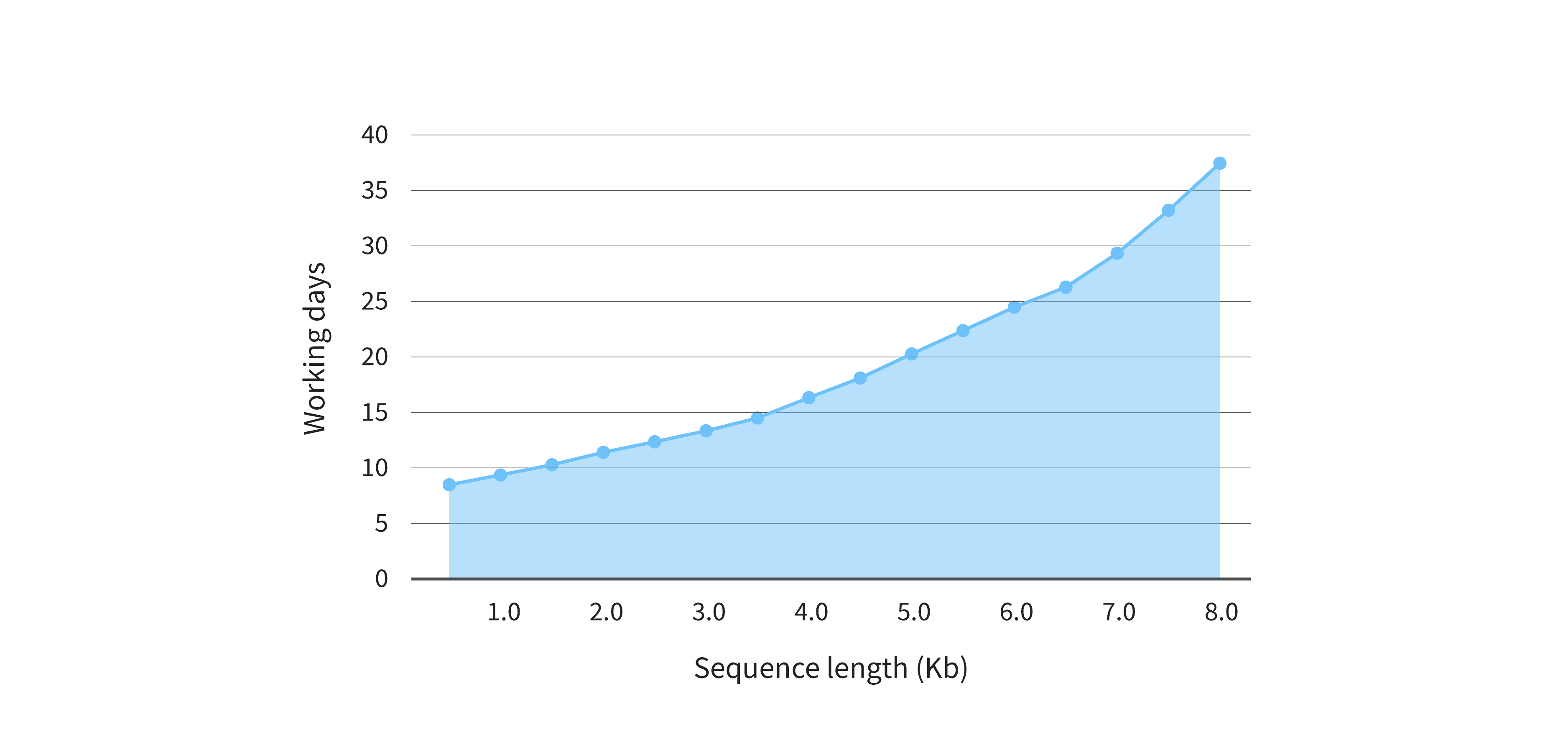
Time to validate a DNA sequence increases as the length of the DNA product increases.
What is the impact?
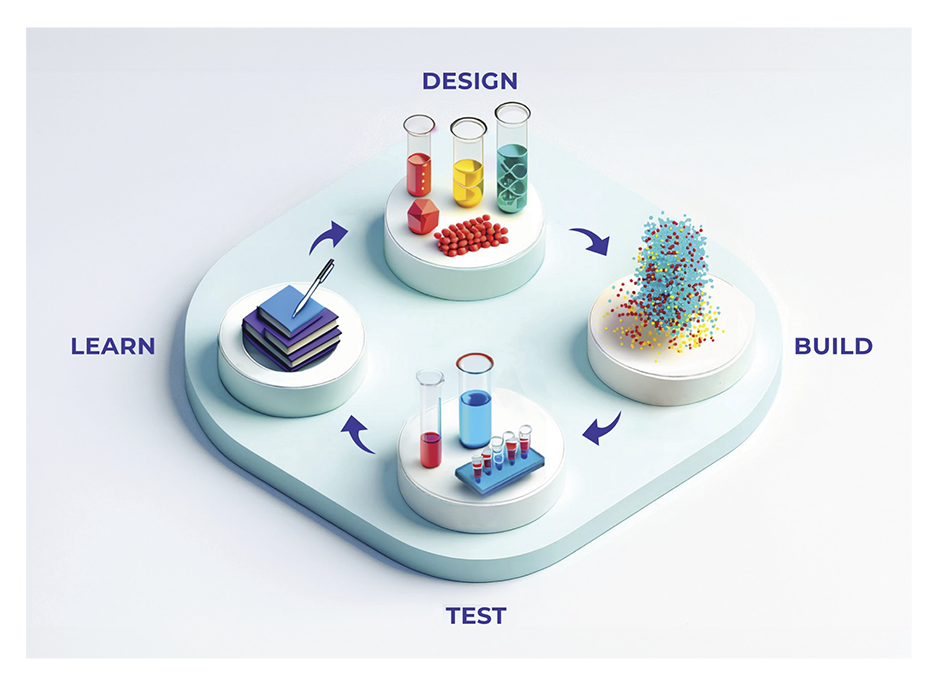
The projected demand for long DNA highlights a future 21 billion-base gap over the current industry capacity. This bottleneck will hamper innovations, causing delays in the design-build-test-learn cycle at the heart of engineering biology development, until accessibility of gene-length DNA is improved. This improved accessibility to long DNA will accelerate research and development in various fields, fostering innovation and leading to breakthroughs in areas like:
- Medicine: For example, Evonetix’s technology could be used to create personalised therapies by engineering cells to fight cancer or other diseases. This could involve introducing new genes or modifying existing ones to give the cells specific abilities.
- Agriculture: Scientists can develop crops that are more resistant to pests, diseases, and drought by manipulating their genes with long DNA sequences. For instance, they could introduce genes that produce natural pesticides or improve the plant’s tolerance to harsh conditions.
- Biomaterials: Long DNA can be used to create new materials with unique properties, such as self-healing fabrics or biocompatible implants. Imagine clothes that can repair small tears on their own or artificial joints that better integrate with the body.
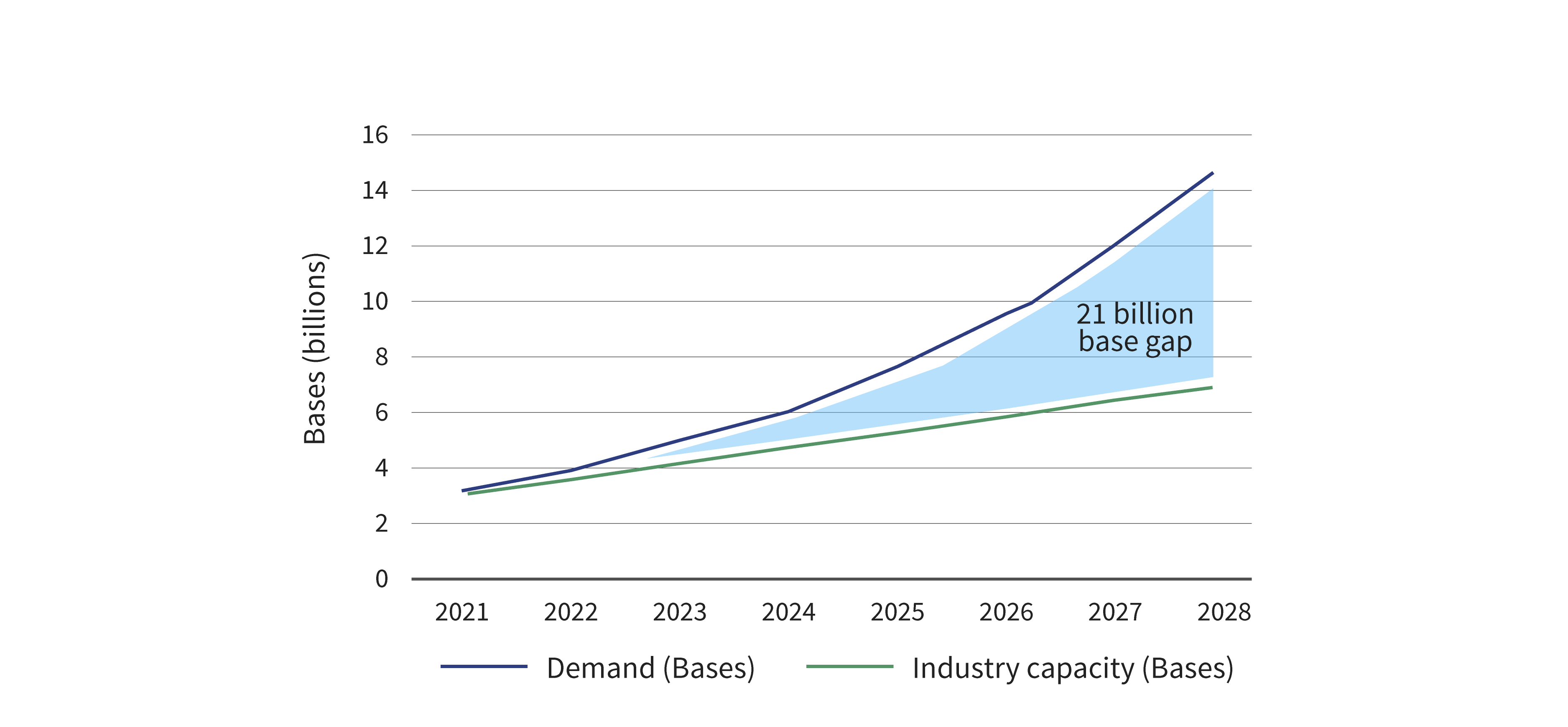
As DNA demand accelerates, supply constraints created by centralised services lead to a 21 billion base gap.
Evonetix is developing technologies to integrate DNA synthesis with a staged assembly and error-removal process, all on the surface of a groundbreaking semiconductor chip. Its Binary Assembly® process joins complementary DNA strands by selective transfer of DNA from synthesis sites to assembly sites on its silicon chips.After complementary strands are annealed, the assembly sites are heated to sequence-dependent temperatures that promote rapid dissociation of imperfect matches from the chip, thereby separating and removing error-containing sequences whilst maintaining those with correct homology during the assembly process. This offers significant advantages over conventional approaches by lowering error rates and eliminating time-consuming post-synthesis steps. Duplex DNA fragments can be joined, and the process is repeated to assemble gene-length sequences.

Evonetix has developed a semiconductor chip that combines novel synthesis chemistry with thermal control to enable the synthesis of long, accurate DNA.
Moreover, thermal control at distinct sites combined with parallel synthesis may also facilitate the elongation of challenging DNA regions. For example, selective heating can promote the synthesis of DNA segments with high GC content, which have higher melting temperatures and are prone to secondary structure formation.
What are the opportunities and challenges?
It is critical to prevent research progress from stalling between the “design” and “test” phases of the Design-Build-Test-Learn cycle and keep pace with the increasing demand for gene-length DNA. Further, a shift away from centralised service providers will allow laboratories to gain more control over gene synthesis, maintain confidentiality of proprietary sequences, and judge project timelines more accurately.
The potential for engineering biology to have far-reaching economic impact hinges upon access to fast, accurate long DNA. The development of benchtop gene printers represents a new breakthrough in gene synthesis technologies, meeting the growing need for this process to become more affordable, flexible, and scalable.
 Unlocking potential
The potential of Deep Biotech to not only help us reach our sustainability goals but to transform our focus from reaching net zero to creating a truly sustainable bioeconomy is enormous. Its cross-cutting nature means that it can provide solutions that support as many as 10 out of 17 Sustainable Development Goals (SDGs).62,63,64 The use and creation of sustainable bio-based materials and sources of energy allow for more efficient and sustainable use of our natural resources and lower our carbon footprint.
The economic value can also not be overlooked. It is estimated that ‘more than half of the impact from applications of biotechnology overall will lie outside healthcare, with the most significant proportion being in agriculture, aquaculture and food ($0.8–1.2 trillion globally by 2030–40), followed by consumer products and services ($0.2–0.7 trillion globally by 2030–40) and materials and energy production ($0.2–0.3 trillion globally by 2030–40)’65. Deep Biotech will ultimately have a positive impact on the healthcare sector by reducing healthcare costs due to decreased air pollution, expanding the total economic and social value even further. However, the potential impact relies to a large part on consumer, societal and regulatory acceptance66. The role of private investment as well as Government support should also not be underestimated.
References
62 See https://go.bio.org/rs/490-EHZ-999/images/SDG%2C%20BIO%2C%20Report_2023.12.11.pdf
63 See https://sdgs.un.org/goals
64 See https://www.ifm.eng.cam.ac.uk/uploads/Industrial_Biotech_-_Report_vPUBLICATION_240323.pdf
65 See https://www.mckinsey.com/~/media/mckinsey/industries/life%20sciences/our%20insights/the%20bio%20revolution%20innovations%20transforming%20economies%20societies%20and%20our%20lives/may_2020_mgi_bio_revolution_report.pdf
66 See https://www.ifm.eng.cam.ac.uk/uploads/Industrial_Biotech_-_Report_vPUBLICATION_240323.pdf
Opportunities and challenges for Deep Biotech
While the potential social, economic and environmental impact is huge, Deep Biotech companies can face many challenges. Government policy has a critical role in ensuring these can be overcome, and regulators need to equip themselves with the right knowledge and create safe regulatory pathways to bring Deep Biotech products to market. Existing technologies and products such as single-use plastics or conventional beef are often more economically competitive. Competing traditional industries such as the chemical industry are huge and can produce at low cost, whereas building up new infrastructure and facilities to scale new bio-products is costly and takes time. This can often lead to UK companies conducting R&D in the UK but ultimately carrying out the economically valuable production activity abroad.67
Where there is no competition, companies are faced with creating an entirely new market and stimulating consumer demand. Consumer confidence can also be a decisive factor in the uptake of novel products, as exemplified by the long road to allowing gene- edited crops onto UK markets.68 In addition, the novel and emerging technologies which power Deep Biotech bring with them the need for a broad range of new and diverse skill sets, and the need to attract and retain global talent.
The role of policy and regulation
Government and regulators play a powerful role in incentivising the research, development and commercial uptake and success of Deep Biotech, thereby actively driving the biorevolution.
A stable, predictable and forward-looking policy and regulatory environment is essential to the long-term success of Deep Biotech companies and their solutions. It sends a powerful signal to companies and investors about the attractiveness of the local market, as exemplified by such as Singapore, the first country in the world to approve cultivated meat69, and Denmark and Germany, who together agreed to promote more ‘innovation-friendly regulation of biosolutions’ by addressing barriers in EU regulations70. The lack of supportive policies on the other hand, can have far-reaching consequences for the entire ecosystem. For example, the Biden Executive Order on Advancing Biotechnology, which drove an increase of federal investments in the bioeconomy from $2.7 billion to more than $3.5 billion between 2022 and 202471, was revoked in 202572, less than three years after its enactment.
Engineering biology policy in the UK has benefitted from bi-partisan support in recent years. Under the former Conservative Government, the Department for Science and Technology identified engineering biology as a critical technology73, and published the National Vision for Engineering Biology in 202374. Upon taking office, the Labour Government committed to upholding the Vision, which sets out plans to harness the power of biology over the next ten years.
Since the Vision’s publication, Government has invested into the early research pipeline of engineering biology, with UKRI investing £100 million into engineering biology research through the Technology Mission Fund75, and funding a Centre for Doctoral Training in Engineering Biology run by Bristol University and University of Oxford76. The House of Lords launched an inquiry into engineering biology in 2024, strongly supporting the technology but warning the Government that the UK was at risk of missing its chance to be a world leader in engineering biology77.
The UK Government has placed particular emphasis on reforming the regulatory system as a key lever to support economic growth and enable Deep Biotech solutions to scale and reach market. The Engineering Biology Regulators Network (EBRN), a unique forum bringing together 12 regulators involved in regulating engineering biology products, was established in 2023 to collaborate on solutions to bring engineering biology products to market. In 2024, the Regulatory Innovation Office (RIO) was established, a new DSIT-led initiative to support regulators and innovators by reducing the regulatory burden for business, and speeding up access to new technologies, with a specific focus on engineering biology78. The RIO has already driven £1.4 million of funding to the Food Standards Agency (FSA) to establish an innovation hub which will develop and expand specialist expertise in regulating innovative technologies such as precision fermented foods79. These pro-innovation regulation agendas were further cemented by the Government’s 2025 regulation Action Plan which aims to tackle regulatory complexity, reduce uncertainty, and challenge excessive risk aversion across all sectors of the economy80.
Exemplifying this forward-thinking approach to regulation, the UK has been leading European efforts to create a supportive environment for genetic technology with the secondary legislation enabling the 2023 Genetic Technologies (Precision Breeding) Act becoming law in May 202581. Another area where the UK is leading the charge is in the use of regulatory sandboxes82. Pioneered in the UK83, sandboxes allow innovators to test new products in a real-world environment for a limited period and under close supervision of a regulator. The sandboxes aim to test and craft suitable regulations for engineering biology-derived products, helping them reach the market84. The first engineering biology sandbox, launched by the FSA in March 2025, is focused on cell-cultivated products85. A second round of the Sandbox Fund opened in April 2025, providing UK regulators with the chance to receive up to £3 million to work closely with innovators on regulatory challenges86. Proactive initiatives such as these send a positive signal to the UK’s Deep Biotech ecosystem, driving R&D, investment, and commercialisation in the long term.
Policy recommendations
BIA is actively working to create an enabling UK policy environment for Deep Biotech. Our 2025 policy recommendations, based on extensive consultation with our Deep Biotech membership and key stakeholders and organisations aligned with the UK’s Deep Biotech mission, lay out what policy levers are needed to further the success of Deep Biotech in the UK across regulation, finance, and infrastructure.
| Regulation | Finance | Infrastructure |
|---|---|---|
| R.1 Improve regulatory clarity for Deep Biotech products and processes | F.1 Provide ringfenced public funding for Deep Biotech through Innovate UK | I.1 Increase accessibility of infrastructure |
| R.2 Resource UK regulators appropriately, both in terms of funding and knowledge | F.2 Ensure Deep Biotech SMEs benefit from the research-intensive R&D tax relief rate | I.2 Improve information around availability of open-access infrastructure |
| R.3 Strengthen regulator-industry relationships to build future-proof, enabling regulation to bring novel products to market | F.3 Establish an engineering biology focused team within British Patient Capital (BPC) | I.3 Provide public funding support to increase the affordability of existing infrastructure |
| R.4 Deploy the Regulatory Innovation Office (RIO) to foster a joined-up approach to Deep Biotech regulation | F.4 Introduce financial and tax incentives to drive investment into and uptake of Deep Biotech | I.4 Invest in UK-based scale-up infrastructure and skills to meet demand of SMEs |
| R.5 Create a regulatory framework that is globally competitive and attractive |
Learn more about our Deep Biotech policy recommendations and their role in context of the Labour Government’s missions, the industrial strategy, current Government policy, and in the international context.
References
69 See https://www.bbc.co.uk/news/business-55155741
70 See https://www.auswaertiges-amt.de/en/newsroom/news/ger-den-action-plan/2548556
71 See https://bidenwhitehouse.archives.gov/ostp/news-updates/2024/11/15/white-house-releases-report-on-growing-u-s-biomanufacturing-capacity-for-the-american-bioeconomy/?utm_source=chatgpt.com
72 See https://www.whitehouse.gov/fact-sheets/2025/03/fact-sheet-president-donald-j-trump-rescinds-additional-harmful-biden-executive-actions/#:~:text=Removing%20Biden%27s%20directive%20to%20prioritize,the%20guise%20of%20environmental%20policy
73 See https://www.gov.uk/government/publications/uk-science-and-technology-framework
74 See https://www.gov.uk/government/publications/national-vision-for-engineering-biology
75 See https://www.ukri.org/news/new-100m-fund-will-unlock-the-potential-of-engineering-biology/
76 See https://www.ukri.org/what-we-do/developing-people-and-skills/epsrc/studentships/centres-for-doctoral-training/
77 See https://publications.parliament.uk/pa/ld5901/ldselect/ldsctech/55/5502.htm
78 See https://www.gov.uk/government/news/game-changing-tech-to-reach-the-public-faster-as-dedicated-new-unit-launched-to-curb-red-tape
79 See https://www.food.gov.uk/news-alerts/news/fsa-announces-ps14-million-funding-for-launch-of-new-innovation-hub#:~:text=Precision%20fermented%20foods%2C%20which%20use,including%20proteins%2C%20sugars%20and%20fats
80 See https://www.gov.uk/government/publications/a-new-approach-to-ensure-regulators-and-regulation-support-growth. The 2018 Bioeconomy Strategy was superseded by the 2021 Innovation Strategy and the Net Zero Strategy, among other. See https://www.gov.uk/government/publications/bioeconomy-strategy-2018-to-2030
81 See https://lordsbusiness.parliament.uk/ItemOfBusiness?itemOfBusinessId=124134§ionId=40&businessPaperDate=2023-03-23
82 See https://www.gov.uk/government/publications/national-vision-for-engineering-biology/national-vision-for-engineering-biology#regulations-and-standards
83 See https://assets.publishing.service.gov.uk/media/5adeee2840f0b60a9a985a02/UK_finanical___regulatory_innovation.pdf
84 See https://www.gov.uk/government/publications/engineering-biology-sandbox-fund
85 See https://www.food.gov.uk/news-alerts/news/fsa-launches-pioneering-regulatory-programme-for-cell-cultivated-products
86 See https://www.gov.uk/government/publications/engineering-biology-sandbox-fund
Unlocking investment
UK Deep Biotech companies raised £1.09 billion of private investment, peaking in 2022 at £256 million.
Just as important as an enabling policy and regulatory environment is a continued stream of public and private investment to bring new innovations to market. BIA analysed the funding and investment trends of 136 innovative UK Deep Biotech companies across the range of applications from 2018 – 2024, in the first of its deep dives into the funding landscape for this exciting nascent sector.
- Location: 58.8% of UK Deep Biotech companies are concentrated in London (29.4%), the East of England (16.9%), and South East (12.5%).
- Private investment: UK Deep Biotech companies raised £1.09 billion of private investment, peaking in 2022 at £256 million, with sustained high levels into 2023 (£230m) and 2024 (£229m). 43% of investors are UK-based.
- Winning subsector: Agriculture and food are the largest and most well-funded subset of companies, making up 55% of total private investment in Deep Biotech.
- Grants: UK Deep Biotech companies secured £132 million in grants, with £80.6 million provided by Innovate UK alone.
Private investment
The private investment landscape in UK Deep Biotech has seen a steady increase in funding, peaking in 2022 at £256 million, with sustained high levels into 2023 (£230 million) and 2024 (£229 million), raising a total of £1.09 billion between 2018 and 2024.
The UK Deep Biotech ecosystem is board at seed stage, but funnels toward a smaller group of high-capacity ventures at later stages, particularly evident from 2022 onwards. Deal counts are consistently highest at seed rounds, though this trend shifts in 2024 where early-stage VC deals overcome seed deals for the first time, in a potential indication of the sector’s move to reaching scale.

Dr Karolina Zapadka
Investor at Parkwalk Advisors
Parkwalk is proud to be one of the most active investors in the UK Deep Biotech space. This latest analysis by the BIA highlights a maturing and increasingly focused ecosystem, with capital now concentrating on scale-ready ventures.
As the market evolves from broad early-stage seeding to targeted growth funding, we remain committed to supporting the most innovative and high-potential companies shaping the future of biotechnology, life sciences, and healthtech. Since 2009, we have invested over £500m, supporting 180+ university spinouts and will continue to back this vibrant, world-leading sector.
Later-stage VC consistently dominates total funding raised from 2022 onwards, with an average deal size of £11.1 million across 38 companies. Capital sharply shifts to fewer companies as rounds mature, with three companies bringing in between £65 million and £77 million each, representing 34% of all later-stage VC. One such stand-out company is Oxford-based Moa Technology, whose AI-driven screening technology to develop new crop protection tools has led them to raise £67 million in total, with an impressive £32 million seed round87.
Early-stage VC rounds reached an average deal size of £4.7 million, with funding ramping up sharply between 2022 and 2024, peaking in 2022 at £92 million. More than 50% of all early-stage VC funding occurred in the last two years in what signifies a real step change in the Deep Biotech VC ecosystem. Similar to trends in later-stage VC, funding is led by a few high-value rounds, with three companies securing 32% of all early-stage VC funding between 2018 and 2024 with deals between £25 and £45 million.
While dominating in terms of deal counts, seed funding peaked in 2021 with £62 million invested into Deep Biotech companies that year, followed by a sharp decline to £24 million in 2024. Though the average deal size for seed lies at £2 million, a few standout companies have punched well above, raising up to £16 million in their seed rounds.
The private funding environment for Deep Biotech is reflective of the emerging nature of the sector, but showing promising upwind in growth, with more and more significant later-stage VC deals emerging in the last couple of years. Ongoing initiatives such as the Mansion House Reforms announced in 2023 and the expansion of the National Wealth Fund could unlock further capital into high-growth companies, if effectively targeted. At the same time, we have seen increased funding in UK engineering biology mission hubs, awards, as well as doctoral training, signifying the UK’s long-term commitment to growing the sector and seeing it scale.
Agriculture and food leads the charge
Agriculture and food is the largest and most well-funded subset of Deep Biotech companies, making up 55% of total private investment in the sector with £599 million raised between 2018 and 2024. Food-focused companies, those active in cellular agriculture, alternative proteins, and food ingredients, raised £331 million alone, showcasing the UK’s growing expertise in novel foods. This includes companies such as Hoxton Farms, Uncommon Bio, and Roslin Technologies, all of which have recently been selected to join the Food Standard Agency (FSA)’s novel regulatory sandbox programme for cell-cultivated products88.
Companies developing novel biomaterials and chemicals come in second in terms of funding raised, with £222 million between 2018 and 2024. The funding is increasingly concentrated among a few high-performing companies who secured repeated fundraises. While overall funding has declined since 2021, companies developing novel packaging, bioplastics, and biosurfactants remain most active.
Companies developing underpinning technologies, such as gene synthesis and DNA sequencing, have seen a consistent increase in funding raised since 2021, raising a total of £141.5 million. Biofuels make up less than 2% of the total funding raised, with no later-stage deals recorded, suggesting the field remains capital-light and nascent.
Across all areas, fundraises are skewed by a few highly successful companies who are leading the charge in UK Deep Biotech, looking to reach scale and paving the way for other companies to follow suit.
Who invests in UK Deep Biotech?
Private investors
A total of 487 investors have invested in UK Deep Biotech companies between 2018 and 2024, with a mix of Government-backed, impact-led and specialist investors, as well as those with close links to the university and research ecosystem.
Scottish Enterprise and the UK Innovation and Science Seed Fund (UKI2S) emerge as the top UK investors supporting UK deep biotech companies. UKI2S, backed by UK Research and Innovation (UKRI), the Department for Science, Innovation and Technology (DSIT), the Ministry of Defence (MOD) and the UK Atomic Energy Authority (UKAEA), specialises in engineering biology and other innovative areas that facilitate sustainable growth, focusing on those innovations that emerged from the UK’s publicly funded science and knowledge base89. It is therefore no surprise that the Fund has emerged as the top investor into Deep Biotech by deal count, next to Scottish Enterprise, highlighting the vital catalytic role of Government-backed funding in driving the growth of the nascent sector as it finds a foothold.

Jane Martin
Managing Director of Innovation & Investment at Scottish Enterprise
We welcome the findings of the BIA report and our position as the most active UK investor in terms of deal count into Deep Biotech companies.
This reflects the strengths of the investment opportunities in Scotland as well as our focus on supporting and co-investing in ambitious and innovative companies with scaling potential in the areas that will drive improvement in Scotland’s economic performance.
In shared third place is CPT Capital, a specialised investor in the food and materials space with 12 investments made into UK Deep Biotech companies whose technologies shape the alternative proteins field, including Glasgow-based leading foodtech start-up ENOUGH. The rank is shared with Future Planet Capital, an impact-led venture capital firm investing into global challenges, and SOSV, a global firm focused on deep tech and planetary health.
43% of investors are UK-based, followed by North America (23.7%), Asia (17%) and Europe (13.8%).
Public funders
Public funding agencies such as UKRI and its councils, and Innovate UK in particular, play an important role in enabling companies to start and grow, attracting private investment, and helping the translation and commercialisation of Deep Biotech.
UK Deep Biotech companies raised a total of £132 million in grants between 2018 and 2024. While there are multiple grant funders and funds that UK Deep Biotech companies have accessed, Innovate UK stands out as the single largest provider of grants, investing £80.6 million and accounting for 61% of grant funding received by UK Deep Biotech companies. Innovate UK also takes the lead in average value of grants (£235,600) and the total number of grants awarded (349). Scottish Edge and the Ministry of Defence follow in the second and third place. While the Ministry of Defence only granted four deals to Deep Biotech companies, they came in at a mean value of £101,751 each, compared to Scottish EDGE who awarded seven grants at a mean value of £30,714. Few companies have received funding from the European Innovation Council with only three grants awarded since 2018, which is not unsurprising given the UK’s long negotiations to secure its place as part of Horizon Europe after Brexit.
Flagship public funding programmes such as the National Engineering Biology Programme90 and the Technology Missions Fund91 and have been integral to supporting UK companies, ensuring the UK leads the way in Deep Biotech.
Methodology note
Companies were selected through a qualitative screening of their website descriptions to ensure they fit within the scope of Deep Biotech. A total of 146 Deep Biotech companies were identified. They were then categorised into 5 areas based on their primary area of application. Detailed investment analysis was conducted in-house by the BIA on 136 companies for which data was available from Beauhurst and Pitchbook. All figures are based on announced and verified funding deals that occurred between 2018 and 2024. Primary areas of application include:
1) Agriculture and food: Companies using industrial biotechnology to deliver innovative agricultural solutions such as crops with improved traits novel plant protection products or biostimulants and those developing new sources of food through methods such as cell cultivation and precision fermentation.
2) Chemicals and materials: Companies creating bio-based chemicals and materials designed to reduce reliance on fossil fuels.
3) Environment: Companies addressing environmental challenges such as pollution and plastic waste through biotechnological innovation.
4) Biofuels: Companies developing alternative fuels derived from biomass rather than fossil fuels.
5) Underpinning: Companies building the enabling technologies that support industrial biotechnology applications.
References
87 See https://www.moa-technology.com/
88 See https://www.food.gov.uk/news-alerts/news/fsa-launches-pioneering-regulatory-programme-for-cell-cultivated-products
89 See https://ukinnovationscienceseedfund.co.uk/
90 See https://www.ukri.org/news/ukri-paves-the-way-for-a-future-engineering-biology-programme/
91 See https://www.ukri.org/news/250m-to-secure-the-uks-world-leading-position-in-technologies-of-tomorrow/
 Improving the UK landscape: What next for Deep Biotech
The many cross-sector activities of Deep Biotech can make it difficult to quantify their impact and contribution to our global sustainability goals. However, its positive environmental and economic cannot be doubted. In 2014, the bioeconomy was estimated to contribute £220 billion GVA to the UK economy and supporting over five million jobs92. Employment growth in the wider UK industrial biotechnology sector has outpaced national averages, increasing by more than 10% per year, with median earnings around £20,000 above the national average93.
As the only national trade association representing the innovative life sciences and biotech industry in Westminster, Whitehall, and beyond, we truly believe in the power of Deep Biotech to change the way we live for the better. Deep Biotech contributes to tackling the pollution of our water, land, and air, challenges unsustainable or environmentally unfriendly processes and products with biology-based, more sustainable ones, and supports the UK’s net zero ambitions.
In 2024, the House of Lords inquiry into engineering biology found that “there is a real opportunity for engineering biology to provide immense benefits to the UK. It can help us to address the challenges we face in health, sustainability, and in addressing climate change. There are major opportunities to grow the economy by applying this technology. We have many of the ingredients to make this a success. But this [transition to the bioeconomy] requires a catalyst.” The report stated that there is a small—and closing—window of opportunity to realise these benefits in the UK, which we cannot afford to miss. With our long-standing expertise supporting the health biotech sector, BIA aims to accelerate the UK’s Deep Biotech sector and enable the biorevolution.
Throughout the last three decades, the BIA has supported its existing health biotech membership by influencing policymakers to ensure life science companies’ voices are heard on the matters that are critical to their success, connecting the UK ecosystem through industry-leading events, expert committees and overseas missions, and by helping companies save money through our business solutions programme. We will work together with institutions in the UK and abroad and build on the great efforts already made by leading organisations such as EuropaBio and the European Biosolutions Coalition in championing modern industrial biotechnology.
As we go forward, BIA will work with our growing Deep Biotech membership, leading organisations and thought leaders, to drive a supportive policy environment for UK Deep Biotech. We aim to make scale-up feasible in the UK by removing regulatory blockers and improving access to finance and infrastructure. We will create networking opportunities through our burgeoning Deep Biotech Community, integrate Deep Biotech into the BIA’s strategic priorities, and highlight BIA members’ achievements. We will leverage BIA’s strengths in influence, connect, save, to advance the UK Deep Biotech landscape and raise the profile of our members and their disruptive biotechnologies.

Influence
In close consultation with our growing Deep Biotech membership, and in collaboration with organisations aligned with our mission, we will drive and build on our policy recommendations across regulation, finance and infrastructure and work with policymakers and other stakeholders to support the growth of Deep Biotech. We will ensure our members’ voice is heard on matters that are critical to Deep Biotech’s success. We will work to increase stakeholders’ understanding of Deep Biotech, including policymakers and parliamentarians, investors, existing traditional industries, and the public.

Connect
We will connect the UK Deep Biotech ecosystem through industry-leading events and our Deep Biotech Community and showcase Deep Biotech’s contributions to a global sustainable bioeconomy. We will produce further reports, analysis and online content highlighting those contributions and their importance, and promote Deep Biotech in the media.

Find out more about the BIA member-only communities and submit your application to join!

Save
BIA members benefit from significant savings through our Business Solutions purchasing programme, helping companies grow more cost- effectively.